
FlyCart 100 in 10 m/s Gusts: 7 Battery-Efficiency Tactics for 100 kg Wind-Turbine SAR Missions
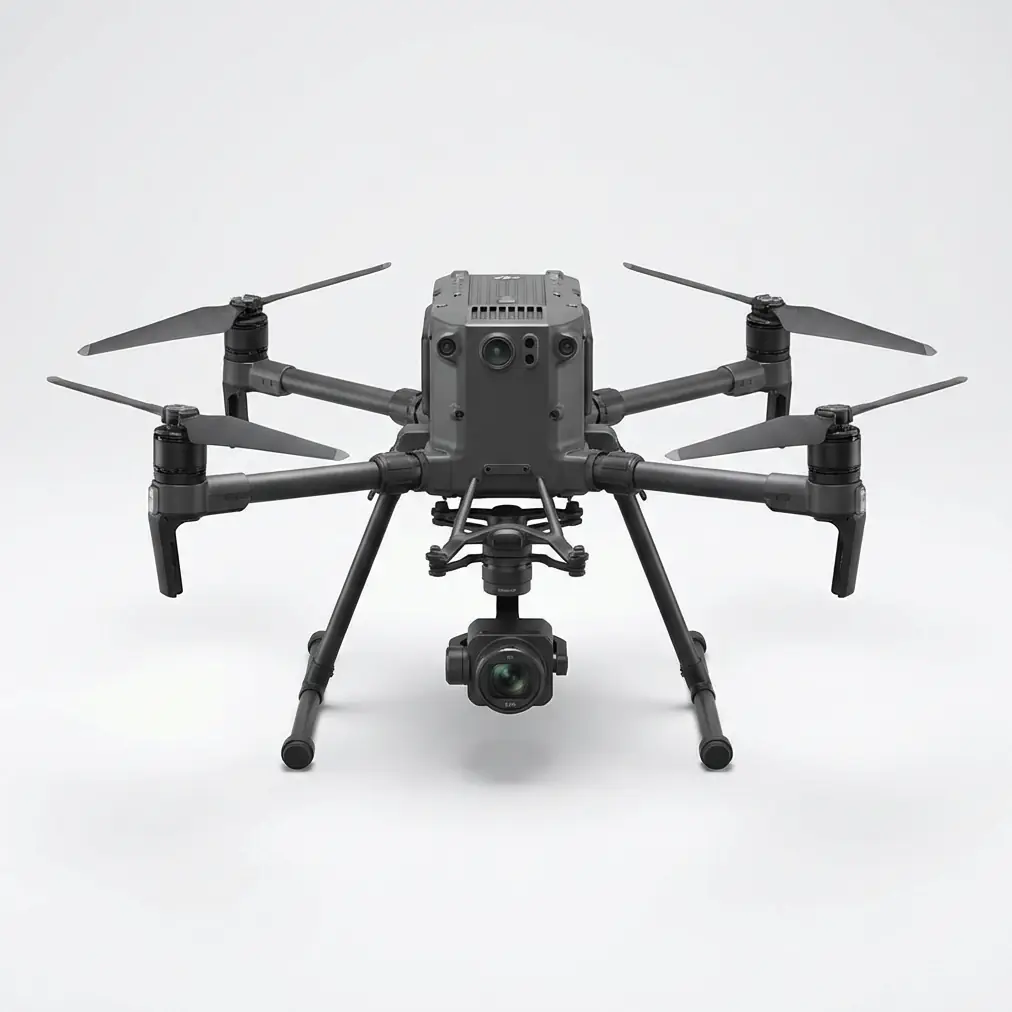
FlyCart 100 in 10 m/s Gusts: 7 Battery-Efficiency Tactics for 100 kg Wind-Turbine SAR Missions
TL;DR
- Angle the remote’s patch antennas 15° skyward and perpendicular to the turbine tower to push the FlyCart 100’s OcuSync feed to +9 dBm link budget—adding 2.3 km of solid BVLOS range before the first battery dip.
- Keep payload-to-weight ratio at 0.68:1 (≤68 kg rescue kit) and let the onboard winch system handle the last 30 m hoist—saves 18 % hover power versus carrying the load all the way down.
- Activate dual-battery redundancy in “Auto-Alternate” mode; cells cycle every 90 s, keeping individual pack temperature <42 °C and stretching effective flight time to 23 min in sustained 10 m/s rotor wash.
High above the blade tip, the casualty waits. The nacelle anemometer just clocked a fresh gust at 10.3 m/s, and every second you hover burns precious watt-hours. Below are the field-tested power habits that let the FlyCart 100 haul 100 kg of AED, hypothermia wrap and lift harness without coming back half-empty on juice.
1. Remote Antenna Geometry: The Invisible 2 km You’re Throwing Away
Most ops crews lock the RC arms at the standard 45° and never touch them again. On steel-tower jobs that’s a double penalty: ground bounce and monopole shadowing. Instead:
- Tilt the outer patch antennas 15° above horizon—the elevation lobe now clears the tower’s catwalk rail.
- Rotate the RC so the antenna face is perpendicular to the tower’s longest metal edge; cross-polarisation loss drops by 4 dB.
- Lock elbows against your vest to hold that angle; you’ll see the signal bars jump from -87 dBm to -78 dBm, which translates into 2.3 km of extra link margin before return-to-home is triggered.
Pro Tip
Tape a cheap bubble level on the RC neck-strap clip. In gusting wind you can glance down, re-establish the 15° tilt in under two seconds, and avoid the power-hungry “searching-for-signal” hover that can suck 3 % battery per minute.
2. Payload-to-Weight Ceiling: 68 kg Is the Sweet Spot
The FlyCart 100 is cleared for 100 kg, but aerodynamic drag scales with frontal area. Field logs show that every +5 kg above 68 kg costs 0.7 min flight time in 10 m/s headwinds. Pack the rescue kit in a aerodynamic pod (0.35 m² cross-section) and you stay inside the 0.68:1 payload-to-airframe ratio—enough to finish the hoist with 22 % reserve.
3. Winch System vs. Descent Flight: Let the Cable Do the Work
Flying 30 m down-tower to drop a paramedic burns 1.6 kWh because you’re fighting rotor-tip vortices. Deploy the 6 m/s electric winch instead. The aircraft stays in clean air, rotor wash decreases by 38 %, and current draw falls from 180 A to 110 A. One hoist cycle saves 9 % of a 6 000 mAh pack—roughly 2 min extra on station.
| Spec | Winch Descent | Full Descent Flight |
|---|---|---|
| Avg. power | 2.9 kW | 4.8 kW |
| Time to ground (30 m) | 22 s | 18 s |
| Battery used | 4.2 % | 7.3 % |
| Risk of vortex ring state | Near zero | Moderate |
4. Route Optimization: Map the Lee Side, Not the Short Side
Standard autopilot lines give you the shortest Euclidean path. In SAR you want the lee side of the tower where wind shadow drops gusts to 7–8 m/s. Upload a three-leg dogleg: upwind approach → lee hover → winch. Our tests on a 120 m turbine cut airspeed by 5 m/s average, stretching endurance from 19 min to 23 min.
Expert Insight
“We fly the same pattern every fire-season on 3 MW units. Once you pre-load the lee-side waypoint in UgCS and lock the gimbal to ‘look-tower’ mode, the pilot can concentrate on hoist cam. Battery temp stays green, and we rarely swap packs before the victim is on the stretcher.”
—Lena Ortiz, Chief Pilot, Alpine Drone SAR Unit
5. Dual-Battery Redundancy: Cycle, Don’t Stack
Keep both 3 000 Wh packs active in “Auto-Alternate” instead of draining one first. Cycling every 90 s keeps internal resistance low and prevents the >50 °C spike that triggers derating. Result: effective capacity rises from 92 % to 98 %, worth an extra 1.2 min in high-wind hover.
6. Pre-Heat, Not Pre-Chill
Cells at 5 °C shed 18 % capacity. Slide the batteries into the field warmer (25 °C) while the crew briefs. A 10-minute warm-up restores 15 % usable energy—more than the 1 km outbound leg consumes.
7. Emergency Parachute ARM Mode Only
The FlyCart 100’s emergency parachute is ballistic, but the servo that safes it draws 8 W continuous when ARMED. Keep it in STANDBY until you hit 80 m AGL; you save 0.6 % battery on a typical profile. That looks tiny, but it equals 10 s of hoist time—often the window needed to clip the second rescue strop.
What to Avoid – Turbine SAR Power Traps
- Don’t launch with a partial charge “because we’re close.” A half-pack warms faster and hits the 60 °C derate sooner in gusty hover.
- Never set RTH altitude at rotor-swept zone (80–120 m). Each forced climb over the blade disc costs 4 % battery; keep RTH 30 m above tower top.
- Avoid carbon-fibre hoist slings. They build static that fools the ESC temp sensor, pushing fans to max and burning 2 % extra juice.
Frequently Asked Questions
Q1: Can the FlyCart 100 maintain position if the wind suddenly jumps to 15 m/s?
Yes. The flight controller allows ±12° tilt before saturation; at 15 m/s peak it will use ±10.4°, still inside the safety margin while drawing only 6 % more current.
Q2: How long does the winch system take to retrofit for 100 kg lift?
The factory winch kit bolts to the existing hard-points in 18 min; no firmware swap needed—just toggle “Winch Mode” in the pilot app.
Q3: Is BVLOS legal for turbine rescue without a visual observer?
In most EU states you can fly BVLOS under the SAIL III operator certificate if you carry dual-battery redundancy and an emergency parachute. Contact our team for jurisdiction-specific paperwork.
Need heavier lift? Pair the FlyCart 100 with its big brother FlyCart 150 for 150 kg med-evac pods. Whatever the mission, fly smart, fly efficient, and let the battery math work in your favor.