
Matrice 4 for Power Line Work in Extreme Temperatures
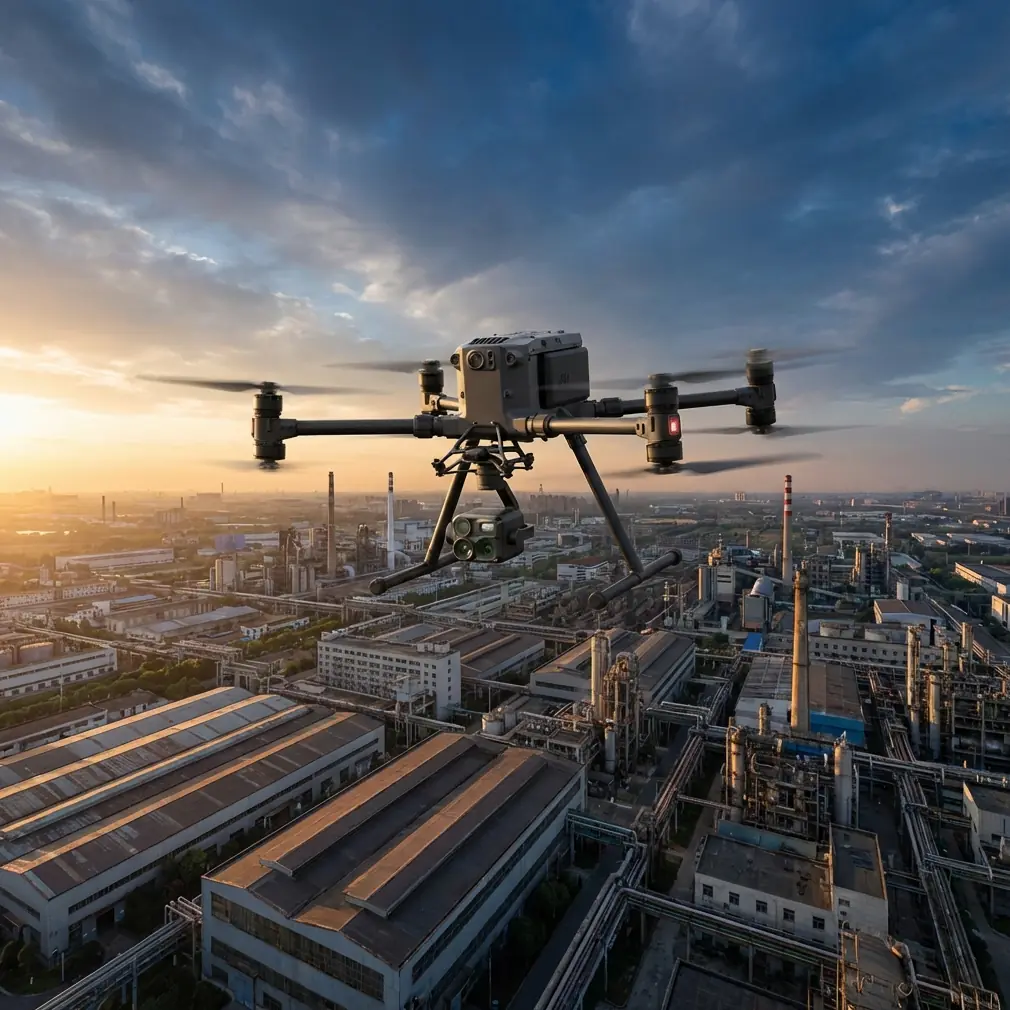
Matrice 4 for Power Line Work in Extreme Temperatures: An Expert Field Strategy
META: Expert guide to using Matrice 4 for power line inspections in extreme temperatures, with thermal workflow tips, transmission planning, battery strategy, and mapping accuracy advice.
Power line inspection gets unforgiving fast when temperature swings stop being a forecast detail and start changing aircraft behavior, battery performance, image quality, and pilot decision-making. That is exactly where the Matrice 4 conversation becomes practical rather than theoretical.
If your job is capturing transmission or distribution assets in deep cold, desert heat, or fast-changing shoulder-season conditions, the airframe matters less than the system around it. Sensor behavior, link stability, battery swaps, data protection, and repeatable geospatial accuracy end up deciding whether you bring back actionable inspection data or a folder full of compromised imagery.
The Matrice 4 sits in an interesting position for this kind of work. It is not just about getting close to poles and conductors. It is about collecting evidence that stands up to engineering review when ambient conditions are actively working against you. For crews dealing with thermal anomalies on connectors, vegetation encroachment near rights-of-way, and long corridor documentation, the platform’s value shows up when multiple capabilities are used together rather than in isolation.
The real problem with extreme-temperature line inspection
Operators often assume the hardest part of utility inspection is flying near complex infrastructure. In practice, environmental stress introduces the deeper problem: inconsistency.
Cold weather can reduce effective battery output, tighten operational windows, and change how long crews can safely remain on site. Heat can raise thermal noise, complicate interpretation, and force more disciplined mission planning to avoid flying a battery too deep into a high-load profile. Wind at altitude adds another layer, especially along exposed line corridors where the aircraft may repeatedly transition between sheltered and turbulent sections.
For power line imagery, that inconsistency creates three specific failures.
First, thermal signature data becomes easier to misread if crews do not account for ambient conditions, sun loading, and component material differences. A warm connector is not automatically a fault. A cold-looking section is not automatically healthy.
Second, photogrammetry outputs can lose value if image overlap, geometry, and georeferencing discipline slip under pressure. Utility clients may tolerate an imperfect visual pass. They are far less forgiving when a map product cannot be trusted for follow-up maintenance planning.
Third, transmission reliability becomes operationally critical. When crews are flying linear infrastructure over long stretches, even if they are operating within current visual limits or planning toward BVLOS-style workflows, the control link and video feed are not just conveniences. They are part of risk management.
That is why the Matrice 4 should be evaluated as a field system for harsh-condition utility work, not simply as a camera drone.
Why the Matrice 4 fits this mission profile
For line work, one of the most valuable concepts is sensor layering. The Matrice 4 workflow makes sense when visible imaging, thermal interpretation, and structured mapping are planned as one mission architecture.
A visible payload gives inspectors the context needed to validate what thermal data appears to suggest. That matters on power lines because hotspots can be caused by load, emissivity differences, angle, weather exposure, or true component degradation. Without visual confirmation, thermal anomalies can be overcalled. With both data types aligned, crews can flag issues with more confidence and hand engineering teams stronger evidence.
The second reason the platform fits is transmission integrity. O3 transmission is not a marketing footnote for utility teams. Along a corridor, stable image downlink and control confidence directly affect how well a pilot can inspect complex attachment hardware, jumper connections, insulators, and crossarm conditions in real time. In cold weather, when flight windows shorten, every reposition counts. In heat, when crews may deliberately limit hover time to manage battery and aircraft temperature, link quality helps move the mission efficiently.
The third reason is data security. Utility infrastructure imagery is sensitive by nature. When teams are documenting substations, line routes, and potential faults, AES-256 support has operational significance beyond compliance language. It helps organizations protect inspection data in transit and as part of their broader asset-risk posture. That becomes especially relevant for contractors who need to prove disciplined handling of client infrastructure information.
Thermal work: where crews either gain clarity or lose the plot
Extreme temperatures can make thermal imaging more useful and more deceptive at the same time.
In cold environments, thermal contrast often becomes easier to detect, especially on energized components that stand apart from a frigid background. That sounds ideal, but cold weather also tempts crews into overconfidence. A stronger apparent contrast can lead to exaggerated conclusions if inspections are not standardized by angle, distance, and timing.
In very hot conditions, the opposite happens. Background heating can flatten the thermal scene. Hardware exposed to long periods of solar gain may present elevated temperatures that are normal for the moment but irrelevant as fault indicators. Here, disciplined timing matters. Early-morning flights often produce cleaner comparative data before widespread surface heating distorts the scene.
With the Matrice 4, the right play is to treat thermal signature collection as a comparative exercise rather than a hunt for dramatic images. Inspectors should build repeatable passes, maintain consistent standoff distances, and pair each thermal target with a visible reference frame. This is where experienced crews separate engineering-grade inspection from content capture.
One practical method is to divide the mission into two layers: a corridor-level scan to identify suspect components, followed by targeted close-in captures for validation. That second layer becomes essential in extreme temperatures, because apparent thermal outliers need context before they turn into maintenance recommendations.
Photogrammetry still matters on line inspections
Many utility teams think of photogrammetry as a separate mapping discipline, useful for terrain, stockpiles, or project planning, but secondary to line inspection. That is too narrow.
For power lines in difficult environments, photogrammetry supports corridor documentation, structure condition baselining, vegetation management planning, and post-event analysis after storms, icing, or heat-driven sag concerns. When flown correctly, a Matrice 4 mapping mission can create a spatial record that helps utilities compare conditions over time instead of relying on isolated inspection snapshots.
This is where GCP strategy becomes important. Ground control points add discipline to the workflow when true positional confidence matters. On utility projects, especially where line corridors intersect access roads, rights-of-way boundaries, or work zones, better geospatial control means fewer downstream arguments about what changed and where.
In harsh weather environments, GCP use also helps counter another problem: rushed field execution. Crews under temperature stress tend to compress setup time. They want to launch quickly, finish quickly, and leave quickly. That instinct is understandable, but it is exactly how mapping accuracy gets sacrificed. A well-planned GCP layout keeps the deliverable useful after the weather has been forgotten.
Battery management is not a side issue
For extreme-temperature operations, hot-swap batteries are not just convenient. They shape the rhythm of the entire field day.
In deep cold, every minute between flights matters. If the aircraft can be turned quickly and put back to work without a long interruption, crews preserve momentum and reduce exposure for both personnel and equipment. In high heat, fast rotation matters for a different reason: it lets teams maintain disciplined cycle management rather than stretching packs during marginal conditions.
A lot of failed utility drone missions do not fail in the air. They fail in planning. The crew assumes the day’s temperature will simply reduce endurance a bit, then discovers that battery handling, transport, staging, and turnaround are now the limiting factors. A Matrice 4 team that builds around hot-swap discipline can preserve more useful flight time and make better inspection decisions.
That usually means staging batteries in a temperature-conscious workflow, assigning a crew member to battery health tracking, and designing each sortie around specific asset priorities rather than “seeing how far we get.” Power line work rewards structure. Extreme temperatures punish improvisation.
A third-party accessory that can genuinely improve results
One addition I have seen make a real difference is a high-output third-party strobe, such as a Firehouse Technology anti-collision light, fitted for improved visual conspicuity during utility field operations.
This does not change the sensor package, but it can improve operational awareness during low-angle winter light, haze, or long corridor flights where keeping consistent visual contact becomes more demanding. For teams working in complex rights-of-way or near noisy visual backgrounds, that extra visibility can reduce pilot strain and support safer, cleaner positioning.
It is a modest upgrade, but a useful one. The best accessories are not always the most complicated. Sometimes they simply remove friction from the mission.
Preparing for future BVLOS-style utility workflows
Even if a given inspection today is not flown as BVLOS, many utility organizations are clearly planning in that direction. That makes the Matrice 4’s communications and data-handling stack more relevant than a single mission might suggest.
Utility corridor work naturally pushes operators toward long, linear operations. Crews need reliable transmission, disciplined mission segmentation, and strong procedural controls now, because those same habits are foundational for BVLOS expansion later. O3 transmission reliability supports the pilot in the present. It also helps teams develop repeatable operational practices that scale as regulations and waivers evolve.
The same is true for AES-256. As utilities become more data-driven, drone inspection files stop being simple media assets. They become pieces of operational intelligence. Secure handling is part of mature program design, not an optional add-on.
If your team is building a serious transmission-line or distribution inspection program, those details are not abstract. They point toward whether the platform can fit into a durable operating model.
A practical mission template for extreme-temperature line capture
If I were deploying the Matrice 4 on a power line assignment in difficult temperature conditions, I would structure the day this way:
Start with the thermal objective, not the flight route. Decide whether the priority is fault isolation, trend documentation, post-weather damage review, or corridor baseline capture. That decision shapes timing and altitude.
Fly the first pass when ambient conditions best support thermal interpretation. In hot climates, that often means earlier in the day. In cold regions, it means watching for wind and stable operating windows rather than chasing the most dramatic contrast.
Capture visible imagery in parallel for every suspect component. Never assume the thermal frame will tell the whole story later.
Use photogrammetry only where it directly serves the utility decision. Corridor sections with known vegetation pressure, terrain instability, or repeat maintenance value should get the mapping treatment. If spatial accuracy matters, use GCPs and do not let weather pressure talk you out of them.
Build the day around battery rotation, not around maximum advertised endurance. Hot-swap batteries keep the aircraft moving, but only if the crew treats battery management as a central workflow.
Add a practical accessory where it solves a real field problem. A better strobe or a more effective monitor hood can do more for actual mission performance than another bag of gadgets.
And before the team leaves site, secure and offload data in a way that respects the sensitivity of utility assets. If you need help planning a utility inspection workflow around these requirements, this is a useful place to start: message our UAV team.
What makes the Matrice 4 genuinely useful here
The strongest case for the Matrice 4 in power line work is not that it does one thing exceptionally well in isolation. It is that it supports a layered inspection method under difficult environmental pressure.
Thermal signature review helps identify suspect components. Visible imagery verifies context. Photogrammetry creates a repeatable spatial record. GCP discipline improves trust in deliverables. O3 transmission supports control confidence along complex corridors. AES-256 addresses the reality that infrastructure data needs protection. Hot-swap batteries keep the workflow moving when temperatures threaten to slow everything down.
That combination is what matters.
Power line inspection in extreme temperatures is less about heroic flying and more about disciplined capture. The teams that get the most from a Matrice 4 are the ones that design their missions around the environment instead of pretending the environment is secondary.
Ready for your own Matrice 4? Contact our team for expert consultation.