
Matrice 4 for Coastal Wildlife Work: What Actually Matters
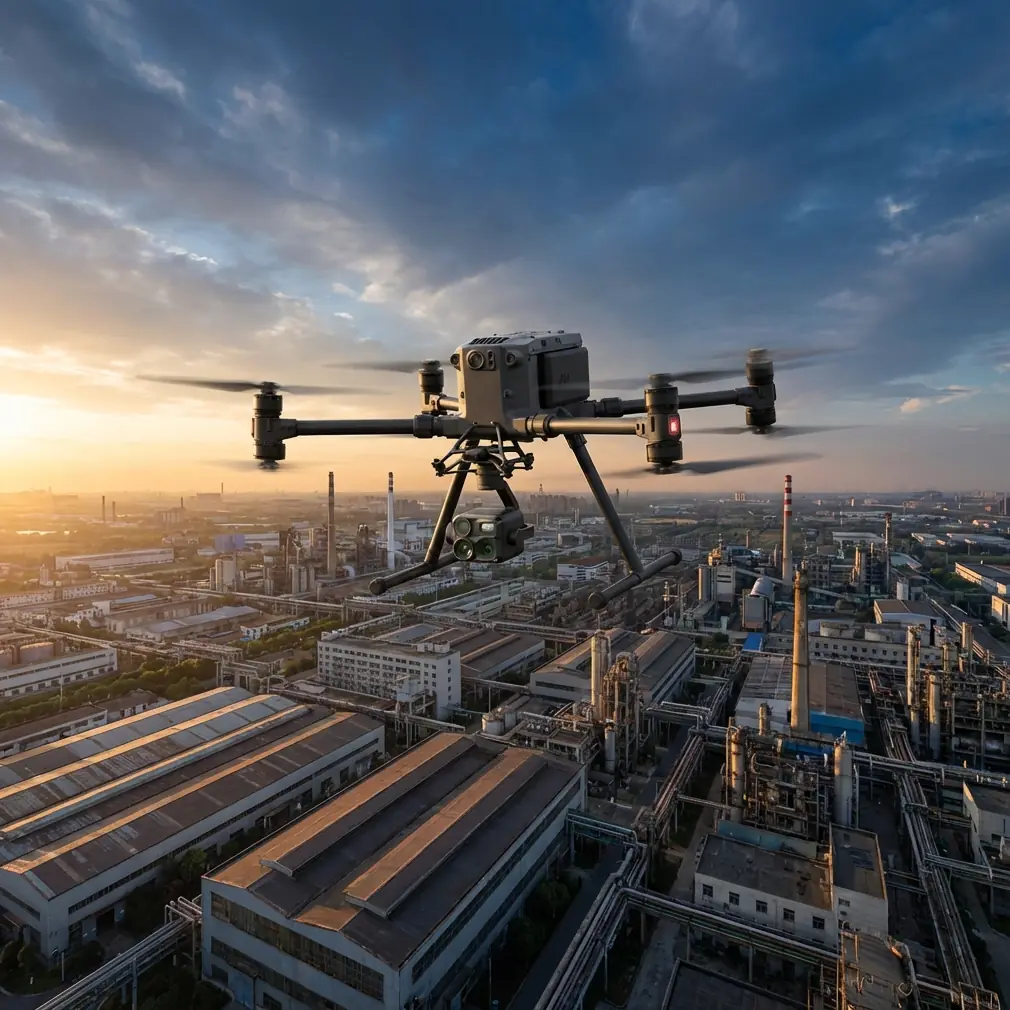
Matrice 4 for Coastal Wildlife Work: What Actually Matters Before You Launch
META: Expert analysis of Matrice 4 for coastal wildlife capture, with practical guidance on thermal signature work, photogrammetry, transmission reliability, pre-flight cleaning, and why industrial drone ecosystems matter.
Coastal wildlife flying looks beautiful from the outside. In practice, it is one of the harsher civilian missions you can give a drone. Salt hangs in the air, wind shifts by the minute, reflective water confuses exposure, and animals do not wait for your second pass. If the aircraft is going to earn its place in that environment, it needs more than a good camera. It needs dependable transmission, disciplined field handling, and a support ecosystem that treats drones like working machines rather than fragile gadgets.
That is the right lens for thinking about Matrice 4.
A lot of coverage around new UAV platforms gets trapped in spec-sheet theater. For coastal wildlife teams, the better question is simpler: can this aircraft keep image quality, positional confidence, and operational continuity intact when the shoreline starts fighting back? That includes everything from thermal signature collection at dawn to photogrammetry runs over tidal flats, and it starts before the motors spin.
The real problem in coastal wildlife missions
On paper, wildlife capture work sounds like a pure imaging task. In the field, it is really a reliability task disguised as an imaging task.
Consider a typical coastal survey day. You may be documenting bird movement around marsh edges, monitoring seal haul-out zones from a respectful distance, or building terrain models of nesting habitat using photogrammetry and GCP-backed workflows. The aircraft has to maintain stable links over open water, preserve enough detail for later analysis, and avoid disturbing the animals you are there to study. Add sea spray and airborne grit, and even basic airframe care becomes mission-critical.
That is why one overlooked habit matters so much: a pre-flight cleaning step focused on safety features and sensing surfaces. On a coastal job, I would treat this as non-negotiable. Before launch, inspect and clean forward and downward vision sensors, lens covers, battery contacts, landing gear interfaces, and cooling inlets. Salt residue is not dramatic when you first see it. Its effect shows up later, when obstacle sensing becomes less trustworthy, cooling efficiency drops, or a battery handshake becomes intermittent. The aircraft may still fly, but “still flies” is not the standard for wildlife operations near water.
With Matrice 4, this kind of discipline matters because the platform is built to support serious commercial work. The more advanced the aircraft, the less sense it makes to undermine it with basic contamination on sensors or connectors.
Why transmission quality matters more on the coast
Readers looking at Matrice 4 often focus first on camera payload capability. For coastal wildlife work, transmission deserves equal attention.
Open shorelines can create a false sense of radio simplicity. Yes, there are fewer buildings. But you still deal with glare, humidity, shifting line-of-sight conditions around dunes and vegetation, and the practical reality that your subject may move farther than planned. That is why O3 transmission is not just a convenience feature in this context. It is an operational stabilizer. A cleaner, more resilient link means fewer hesitations when reframing moving wildlife, more confidence when flying a measured observation arc, and better continuity during habitat mapping passes.
That has a knock-on effect on data quality. A strong link helps the pilot avoid unnecessary corrections, which can reduce abrupt movements that compromise image consistency in photogrammetry runs. It also improves crew coordination, because what the remote pilot and visual observers see is closer to what the aircraft is actually capturing. In wildlife work, that can be the difference between a useful single-pass dataset and a second sortie that risks extra disturbance.
Thermal work is only useful when the mission design is disciplined
Thermal signature collection along the coast can be incredibly effective, especially in low light, for locating animals against cooler terrain or identifying patterns in habitat use. But thermal is not magic. The coastal environment complicates interpretation.
Wet sand, rocks holding residual heat, shallow tidal pools, and changing sun angle can all distort what a less experienced team thinks it sees. With Matrice 4, the value of thermal capability is not that it guarantees detection. The value is that it lets trained crews combine thermal observations with visual confirmation and precise georeferencing in one organized workflow.
That matters for wildlife teams who need evidence, not just interesting footage. If the thermal layer suggests animal presence in brush near a shoreline edge, you still need clean positioning and stable acquisition to turn that observation into something credible. This is where good flight planning and repeatable track lines matter just as much as the sensor itself.
And again, the pre-flight cleaning step comes back into view. A smudged thermal window or contamination around adjacent sensors can quietly degrade confidence in what you are seeing. Coastal operators should treat optics care as data protection, not housekeeping.
Photogrammetry over tidal terrain is where professional platforms separate themselves
Many people think wildlife missions end with visual documentation. In reality, habitat mapping is often just as important as species observation.
Matrice 4 becomes especially relevant when the job includes photogrammetry of dunes, estuaries, mudflats, or nesting islands. These landscapes are dynamic. They change with storm events, erosion, vegetation shifts, and human pressure. If you can pair repeatable aerial capture with GCP-supported processing, you are no longer just collecting imagery. You are building a measurable record of habitat condition over time.
That is where a platform designed for structured commercial flying starts to pull ahead. Reliable hover behavior, accurate route execution, and consistent transmission all support cleaner overlap and more usable model reconstruction. Coastal terrain can be visually repetitive, which is difficult for reconstruction software. Flight consistency helps compensate for that.
This also ties into a larger industry point from XPONENTIAL 2026, where University of Michigan leaders laid out a plan for Michigan to become a hub for the low altitude economy. Their case was not simply about aircraft innovation in isolation. It was about linking aerospace research and development with Detroit’s manufacturing base. That distinction matters for Matrice 4 users because professional drone work depends on more than the aircraft in the sky. It depends on an industrial ecosystem that understands reliability, production quality, maintainability, and scalable deployment.
For a coastal wildlife operator, that translates into practical confidence. You want platforms emerging from a market shaped by both advanced aerospace thinking and real manufacturing discipline. The University of Michigan vision rests on exactly that combination: R&D capability plus industrial production strength. That is not abstract policy language. It is the kind of economic foundation that tends to produce better support structures, tougher field equipment, and more mature integration of UAVs into commercial workflows.
What the low altitude economy has to do with a single wildlife mission
Quite a lot, actually.
The phrase “low altitude economy” can sound broad, but its relevance becomes obvious in coastal operations. Wildlife teams increasingly need aircraft that can shift between observation, mapping, thermal assessment, and documentation in a single field program. That is not hobby flying. That is specialized aerial work embedded in environmental management, conservation planning, and scientific reporting.
When University of Michigan officials argued that Michigan can connect aerospace innovation with Detroit manufacturing, they were identifying the kind of pipeline that supports this exact class of operation. Coastal wildlife capture may look niche, but it benefits from the same industrial logic as infrastructure inspection or surveying: robust airframes, dependable subsystems, repeatable production, and supportable maintenance.
The less glamorous side of this is often the most important. Wiring integrity. Connector quality. System installation standards. Those things rarely make headlines, but they shape whether a platform keeps working after repeated field use in harsh conditions.
One of the reference engineering documents included installation data for aircraft electrical systems, down to specific cable dimensions and weights. For example, one listed a 12-size wire at 81.096 kg/km, while another showed smaller 26-size configurations around 11.309 kg/km. On the surface, those numbers seem far removed from a Matrice 4 wildlife mission. They are not. They point to a basic truth of aircraft design: every electrical decision is a trade between weight, durability, shielding, and function. In coastal UAV work, that trade matters because sensors, transmission systems, and power distribution all live in an environment that punishes weak design margins.
You do not need to memorize cable tables to benefit from that reality. You just need to recognize what they represent: serious aircraft systems are built on disciplined engineering, not cosmetic refinement.
Why hot-swap battery thinking changes field productivity
Wildlife teams rarely get ideal timing. Light changes fast. Tides change faster. Animal behavior windows can be brief.
That is why hot-swap battery capability, or at least battery workflows that minimize downtime, matters so much with a platform like Matrice 4. On the coast, every extended pause can mean a changed scene. A flock lifts. Water covers the mudflat you planned to map. Wind rises beyond your acceptable threshold. Efficient battery handling keeps momentum in the mission and reduces the temptation to rush later decisions.
There is also a safety angle. When crews know they can turn the aircraft around cleanly, they are less likely to stretch a flight unnecessarily. That matters more near water, where reserve planning should stay conservative.
Battery swaps in salty conditions deserve the same care as lens cleaning. Check compartment seals, inspect contacts, and keep changeover surfaces clean and dry. If your aircraft supports advanced power management, respect it. Do not turn a professional power system into a corrosion experiment.
Security and data stewardship are part of wildlife work now
Wildlife missions are not always public-facing. Some datasets include sensitive nesting locations, protected habitat boundaries, or proprietary survey information for conservation groups and environmental consultants.
That is where AES-256 level security enters the conversation. For Matrice 4 operators, encrypted data handling and secure transmission are not just enterprise talking points. They help protect information that should not circulate casually. If you are documenting vulnerable species or ecologically sensitive sites, operational security is part of ethical field practice.
The same applies to crew communication and support. If your team needs field-specific setup guidance before a coastal deployment, it makes sense to use a direct line that avoids unnecessary friction. A simple option is to message a drone specialist here before your next survey window.
BVLOS talk is less exciting than people think, and more useful
BVLOS is often treated like a badge. For coastal conservation and habitat work, it is better understood as a planning framework.
A Matrice 4 operation does not become sophisticated because it stretches distance. It becomes sophisticated when it maintains controlled, lawful, low-disturbance coverage of large and awkward terrain. In some coastal contexts, BVLOS-oriented planning principles matter even if the actual mission remains within current visual rules: route design, observer positioning, link reliability, emergency procedures, and data continuity.
That is another reason transmission resilience and industrial-grade design matter. The farther and more methodical the mission concept becomes, the less room there is for weak assumptions.
The practical takeaway for Matrice 4 coastal operators
If you are evaluating Matrice 4 for wildlife capture in coastal conditions, do not start with marketing language. Start with mission friction.
Ask whether the aircraft helps you:
- maintain a reliable live link over difficult shoreline environments
- collect usable thermal signature data without overpromising what thermal can do
- run photogrammetry missions with enough consistency for repeat habitat analysis
- protect sensitive environmental data
- minimize downtime with disciplined battery workflows
- preserve sensor performance through rigorous pre-flight cleaning and inspection
Then zoom out one level further. Ask whether the platform belongs to a mature industrial ecosystem. The XPONENTIAL 2026 discussion around Michigan’s low altitude economy is useful here because it frames drones as part of a broader manufacturing and aerospace network, not a standalone gadget category. That is exactly how professionals should think about Matrice 4.
A coastal wildlife drone is not there to impress anyone on the shoreline. It is there to return stable data, work predictably in rough air, and survive repeated exposure to a corrosive environment with proper care. The teams that get the best results are usually not the ones chasing the most dramatic footage. They are the ones cleaning sensors before launch, validating GCPs before mapping, watching thermal with skepticism, and treating every component like it has to earn tomorrow’s flight.
That mindset is what turns Matrice 4 from an aircraft into a field instrument.
Ready for your own Matrice 4? Contact our team for expert consultation.