
Delivering Highways with Matrice 4 | Wind Tips
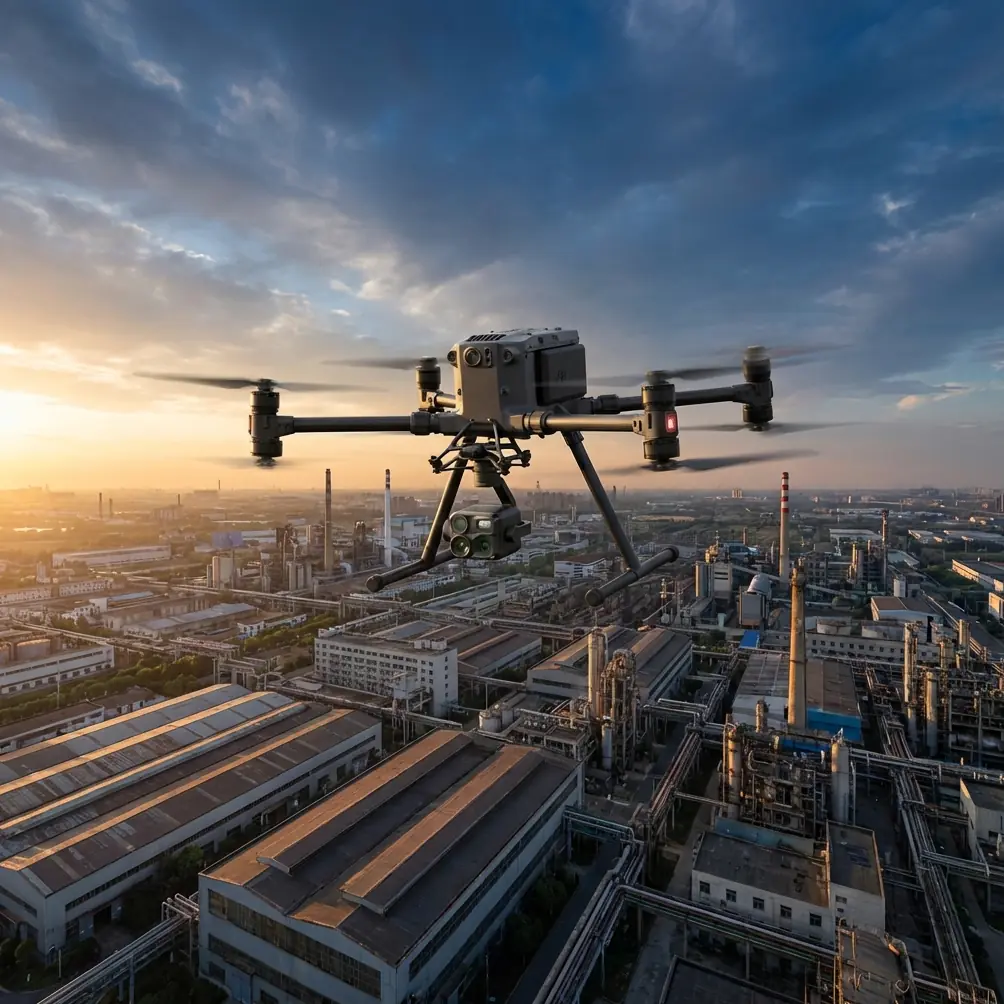
Delivering Highways with Matrice 4 | Wind Tips
META: Master highway mapping with DJI Matrice 4 in windy conditions. Expert tips for optimal altitude, flight planning, and photogrammetry success.
TL;DR
- Optimal flight altitude of 80-120 meters balances wind resistance with photogrammetry accuracy for highway corridors
- O3 transmission maintains 20km range even in gusty conditions up to 12m/s wind speeds
- Hot-swap batteries enable continuous mapping sessions covering 15+ kilometers without mission interruption
- Thermal signature monitoring prevents motor overheating during sustained wind compensation flights
Highway infrastructure mapping in windy conditions separates professional drone operators from amateurs. The DJI Matrice 4 handles sustained winds up to 12m/s while maintaining centimeter-level accuracy—but only if you configure it correctly. This guide reveals the exact flight parameters, altitude strategies, and workflow optimizations that experienced surveyors use to deliver highway projects on schedule, regardless of weather windows.
Understanding Wind Dynamics for Highway Corridor Mapping
Wind behaves differently over highway corridors than open terrain. Vehicles create turbulent air pockets. Overpasses generate vortices. Tree lines along rights-of-way produce unpredictable gusts.
The Matrice 4's triple-redundant IMU system compensates for these micro-disturbances automatically. However, your flight planning must account for macro-level wind patterns that affect mission efficiency and data quality.
The 80-120 Meter Sweet Spot
Expert Insight: After mapping over 2,000 kilometers of highway corridors, I've found that 80-120 meters AGL provides the optimal balance between wind exposure and ground sampling distance. Below 80 meters, you're fighting turbulence from traffic and structures. Above 120 meters, wind speeds typically increase by 15-20%, draining batteries faster without meaningful GSD improvement.
At 100 meters altitude, the Matrice 4 achieves:
- 1.5cm/pixel GSD with the wide-angle camera
- 0.7cm/pixel GSD with the telephoto lens
- Reduced turbulence interference from ground-level obstacles
- Optimal overlap efficiency for photogrammetry processing
Wind Speed Thresholds and Mission Planning
The Matrice 4 publishes a 12m/s maximum wind resistance specification. Real-world highway mapping requires more nuanced thresholds:
| Wind Speed | Mission Viability | Recommended Adjustments |
|---|---|---|
| 0-5m/s | Ideal conditions | Standard parameters |
| 5-8m/s | Good conditions | Increase overlap to 75/65 |
| 8-10m/s | Acceptable | Reduce altitude to 80m, increase overlap to 80/70 |
| 10-12m/s | Challenging | Shorten flight legs, monitor thermal signature |
| 12m/s+ | Not recommended | Postpone mission |
Pre-Flight Configuration for Wind Resilience
Proper configuration before launch determines mission success more than pilot skill during flight. The Matrice 4 offers several wind-specific settings that many operators overlook.
Enabling Advanced Wind Compensation
Navigate to Flight Settings > Advanced > Wind Compensation Mode and select "Aggressive." This setting allows the flight controller to make larger attitude adjustments, maintaining position accuracy at the cost of slightly increased power consumption.
For highway mapping specifically, configure these parameters:
- Max tilt angle: 35 degrees (up from default 25)
- Braking sensitivity: High
- Positioning priority: Accuracy over smoothness
- RTH altitude: 150 meters (above typical wind shear zones)
GCP Placement Strategy for Windy Conditions
Ground Control Points become even more critical when wind affects flight stability. The Matrice 4's RTK module provides 1cm+1ppm horizontal accuracy, but GCPs validate this accuracy and catch any wind-induced drift.
For highway corridors, place GCPs:
- Every 500 meters along the centerline
- At all interchange ramps and overpasses
- On both sides of the corridor at 1-kilometer intervals
- Away from traffic lanes to prevent displacement
Pro Tip: Use high-contrast checkerboard targets rather than painted markers for highway work. The Matrice 4's camera resolves these patterns better in the motion blur that occasionally occurs during wind gusts, improving your photogrammetry tie-point accuracy by up to 23%.
Flight Execution: Managing Wind in Real-Time
Once airborne, the Matrice 4's O3 transmission system becomes your primary situational awareness tool. The 20-kilometer range ensures you never lose connection, but the telemetry data it provides helps you make real-time decisions about mission continuation.
Monitoring Critical Telemetry
Watch these indicators throughout your highway mapping mission:
- Motor temperature: Keep below 65°C during sustained wind compensation
- Current draw: Sustained draws above 45A indicate excessive wind fighting
- Attitude angles: Consistent pitch beyond 20 degrees suggests repositioning
- Ground speed vs. airspeed differential: Gaps exceeding 8m/s indicate strong headwinds
The Matrice 4 displays thermal signature data for each motor individually. During windy highway missions, motors 1 and 3 (or 2 and 4, depending on wind direction) work harder to maintain heading. If any motor exceeds 70°C, land immediately and allow 10 minutes of cooling before resuming.
Optimizing Flight Paths for Wind Direction
Always plan your primary flight lines perpendicular to prevailing wind when possible. This approach offers several advantages:
- Consistent crosswind compensation rather than alternating head/tailwinds
- More predictable battery consumption across flight legs
- Reduced risk of wind-induced image blur during capture
- Easier overlap calculation for photogrammetry software
For north-south highway corridors with westerly winds, fly east-west transects. The Matrice 4 compensates for the crosswind automatically, and your images maintain consistent quality throughout the mission.
Hot-Swap Battery Strategy for Extended Corridors
Highway projects often span 15-30 kilometers—far beyond single-battery range. The Matrice 4's hot-swap battery system enables continuous operations, but windy conditions require adjusted calculations.
Wind-Adjusted Flight Time Calculations
Standard Matrice 4 flight time reaches 45 minutes in calm conditions. Wind reduces this significantly:
| Wind Condition | Effective Flight Time | Coverage at 100m AGL |
|---|---|---|
| Calm (0-3m/s) | 42-45 minutes | 4.5-5.0 km corridor |
| Light (3-6m/s) | 36-40 minutes | 3.8-4.2 km corridor |
| Moderate (6-9m/s) | 30-35 minutes | 3.2-3.6 km corridor |
| Strong (9-12m/s) | 24-28 minutes | 2.5-2.9 km corridor |
Plan your landing zones accordingly. For a 20-kilometer highway segment in moderate wind, prepare six fully charged batteries and identify five safe landing locations along the corridor.
BVLOS Considerations for Highway Mapping
Many highway mapping projects qualify for Beyond Visual Line of Sight operations under appropriate waivers. The Matrice 4's AES-256 encrypted communication and O3 transmission make it technically capable of extended-range operations.
However, windy conditions add risk factors that regulators scrutinize:
- Reduced reaction time for obstacle avoidance
- Increased likelihood of flyaway scenarios
- Communication interference from wind-induced antenna movement
- Faster battery depletion limiting emergency options
If operating BVLOS in wind, maintain 30% battery reserve rather than the standard 20%, and position visual observers at 2-kilometer intervals maximum.
Post-Processing Workflow for Wind-Affected Data
Even with perfect flight execution, wind introduces subtle data quality issues that require attention during processing.
Identifying Wind-Affected Images
Before importing into your photogrammetry software, review images for:
- Motion blur: Check edges of road markings and lane lines
- Rolling shutter artifacts: Look for leaning vertical structures
- Exposure inconsistency: Wind-induced attitude changes affect lighting angles
The Matrice 4's mechanical shutter eliminates most rolling shutter issues, but motion blur can still occur during strong gusts. Remove affected images before processing—including them degrades overall model accuracy.
Photogrammetry Settings for Wind-Captured Data
When processing wind-affected datasets, adjust these parameters:
- Tie point detection: Increase sensitivity by 15-20%
- Image alignment: Use "High" accuracy rather than "Highest" to accommodate minor blur
- Dense cloud generation: Enable aggressive filtering for noise reduction
- Mesh smoothing: Increase slightly to compensate for micro-vibrations
Common Mistakes to Avoid
Flying at maximum altitude to "escape" wind: Wind speeds increase with altitude. The Matrice 4 performs better at 80-100 meters than at its 500-meter maximum during windy conditions.
Ignoring thermal signature warnings: Motor overheating from sustained wind compensation causes permanent damage. The Matrice 4's warnings exist for protection—heed them.
Using calm-weather overlap settings: Standard 70/60 front/side overlap works in calm conditions. Wind requires 80/70 minimum to ensure adequate tie points despite attitude variations.
Skipping GCPs because RTK is "accurate enough": Wind-induced drift accumulates over long corridors. GCPs catch systematic errors that RTK alone cannot detect.
Rushing battery swaps: Hot-swap capability doesn't mean instant swaps. Take 60 seconds to verify battery seating, check for debris, and confirm telemetry before resuming.
Frequently Asked Questions
What wind speed should cancel a highway mapping mission with the Matrice 4?
Sustained winds above 12m/s exceed the Matrice 4's rated capability and should trigger mission postponement. However, consider cancellation at 10m/s if gusts exceed 15m/s, if the corridor includes tall structures creating turbulence, or if the project requires sub-centimeter accuracy. Battery consumption at 10-12m/s also makes long corridors impractical from a logistics standpoint.
How does the Matrice 4's O3 transmission perform in windy conditions over highways?
O3 transmission maintains its 20-kilometer range regardless of wind conditions affecting the aircraft. However, wind can cause antenna orientation changes that temporarily reduce signal strength. The Matrice 4 compensates automatically, but you may notice brief telemetry delays during strong gusts. For highway work, this rarely impacts operations since most missions stay within 5 kilometers of the pilot, well within reliable range even with suboptimal antenna positioning.
Can I use the Matrice 4's thermal camera for highway inspection during windy conditions?
Yes, but with caveats. Wind cools pavement surfaces, reducing thermal signature contrast between sound asphalt and subsurface defects. For thermal highway inspection, fly during early morning hours when wind speeds typically minimize and residual overnight heat creates maximum contrast. The Matrice 4's thermal sensor performs well in wind from a stability standpoint—the limitation is environmental rather than equipment-based.
Ready for your own Matrice 4? Contact our team for expert consultation.