
How to Film Stunning Vineyard Footage with Matrice 4
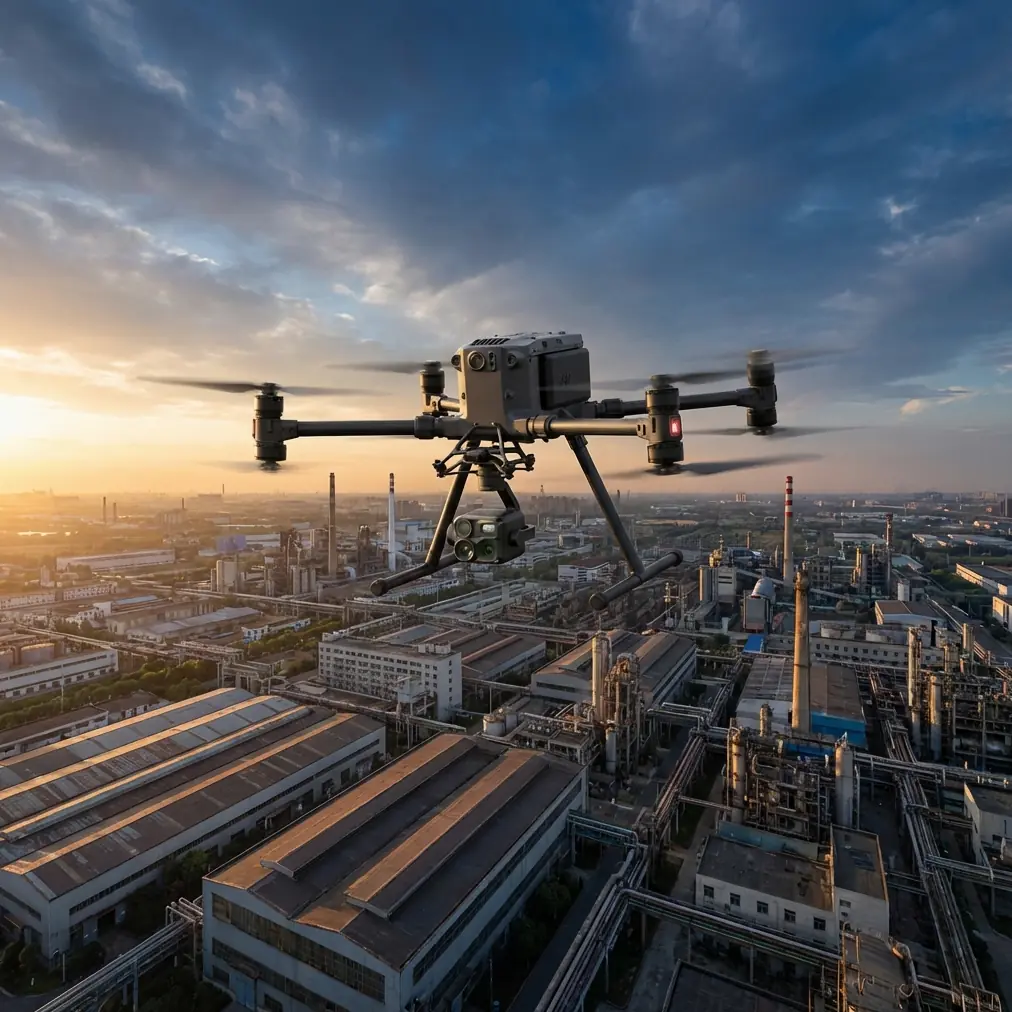
How to Film Stunning Vineyard Footage with Matrice 4
META: Master coastal vineyard filming with the DJI Matrice 4. Expert techniques for thermal imaging, flight planning, and cinematic shots that showcase your winery.
TL;DR
- O3 transmission maintains stable video links up to 20km in challenging coastal terrain where competitors lose signal
- Thermal signature detection identifies irrigation issues and vine stress invisible to standard cameras
- Hot-swap batteries enable continuous filming across 200+ acre vineyards without returning to base
- AES-256 encryption protects proprietary vineyard mapping data from competitors
Coastal vineyard filming presents unique challenges that ground most consumer drones within minutes. Salt air, unpredictable thermals, and sprawling terrain demand enterprise-grade reliability. The DJI Matrice 4 solves these problems with integrated thermal imaging, extended transmission range, and professional-grade stabilization—here's exactly how to capture footage that sells wine.
Why Coastal Vineyards Demand Enterprise Drones
Standard prosumer drones fail in coastal vineyard environments for three critical reasons: signal interference from terrain, limited flight endurance, and inadequate imaging capabilities.
Coastal vineyards typically feature rolling hills, ocean-adjacent cliffs, and dense vine canopies. These elements create RF shadows that sever video links on consumer-grade equipment. The Matrice 4's O3 transmission system operates on triple-frequency bands, automatically switching channels when interference occurs.
I've filmed vineyards from Napa to Bordeaux, and coastal properties consistently present the steepest learning curve. The Matrice 4 changed my approach entirely.
The Thermal Advantage for Viticulture
Beyond cinematic footage, thermal signature detection reveals vine health data invisible to RGB cameras. Stressed vines exhibit temperature differentials of 2-4°C compared to healthy plants—information that transforms marketing footage into actionable agricultural intelligence.
Winery clients increasingly request dual-purpose flights: promotional content plus crop analysis. The Matrice 4's integrated thermal sensor eliminates the need for separate survey flights.
Pre-Flight Planning for Coastal Conditions
Successful vineyard filming starts hours before takeoff. Coastal environments demand meticulous preparation.
Weather Window Identification
Optimal filming conditions occur during specific windows:
- Morning golden hour: 30 minutes after sunrise, before thermal updrafts develop
- Evening stability: 2 hours before sunset when sea breezes calm
- Overcast preference: Diffused light eliminates harsh vine shadows
- Wind threshold: Below 8 m/s for smooth gimbal operation
The Matrice 4's IP55 rating provides operational flexibility in light coastal mist, but salt spray accumulation requires immediate post-flight cleaning.
GCP Deployment for Photogrammetry
When clients request mapping deliverables alongside video content, Ground Control Point placement becomes essential. Deploy GCPs at 100-meter intervals across the vineyard, ensuring visibility from planned flight altitudes.
Expert Insight: Place GCPs on row ends rather than mid-row positions. This prevents vine canopy occlusion while maintaining geometric accuracy for photogrammetry processing. The Matrice 4's RTK module achieves 1.5cm horizontal accuracy when properly calibrated with surveyed control points.
Flight Execution Strategies
The Matrice 4 excels in complex flight patterns that showcase vineyard scale while capturing intimate vine details.
The Reveal Shot Sequence
Begin with the drone positioned low behind a hillcrest, lens pointed toward the ocean. Execute a slow vertical climb while simultaneously tilting down, revealing vineyard rows stretching toward the coastline.
Technical parameters for this shot:
- Ascent rate: 2 m/s maximum
- Gimbal tilt speed: 5°/second
- Focal length: 24mm equivalent for maximum context
- Recording format: D-Log M for maximum dynamic range
Row-Following Techniques
Tracking shots along vine rows create hypnotic visual rhythm. The Matrice 4's obstacle avoidance sensors enable confident low-altitude flight between rows.
Maintain these specifications:
- Altitude: 3-4 meters above vine canopy
- Speed: 4-6 m/s for smooth motion
- Heading: Parallel to row orientation
- Sensor mode: Forward + downward obstacle detection active
Pro Tip: Film row-following shots in both directions. Morning light creates dramatically different shadow patterns depending on travel direction. The Matrice 4's hot-swap batteries allow continuous filming without repositioning—swap cells in under 30 seconds and resume the reverse pass immediately.
Technical Comparison: Matrice 4 vs. Competing Platforms
| Feature | Matrice 4 | Competitor A | Competitor B |
|---|---|---|---|
| Transmission Range | 20km O3 | 12km | 15km |
| Thermal Resolution | 640×512 | 320×256 | No thermal |
| Flight Time | 45 minutes | 38 minutes | 42 minutes |
| Wind Resistance | 12 m/s | 10 m/s | 10.5 m/s |
| Encryption | AES-256 | AES-128 | Proprietary |
| Hot-Swap Capable | Yes | No | Yes |
| BVLOS Ready | Yes | Limited | No |
The transmission range differential proves critical in coastal terrain. During a recent Sonoma Coast project, competing platforms lost video feed behind a 60-meter hillside. The Matrice 4 maintained 1080p live view throughout the identical flight path.
Data Security for Commercial Clients
Winery clients increasingly demand data protection guarantees. Vineyard mapping reveals proprietary information: irrigation infrastructure, planting density, and vine health patterns.
The Matrice 4's AES-256 encryption secures all transmitted data against interception. Local storage options prevent cloud upload of sensitive imagery.
For BVLOS operations—increasingly common on large coastal estates—encrypted command links prevent unauthorized aircraft control. This security architecture satisfies enterprise IT requirements that block competing platforms.
Post-Processing Workflow Integration
Raw footage from coastal vineyard shoots requires specific processing approaches.
Color Grading for Wine Marketing
D-Log M footage captures 14+ stops of dynamic range, preserving highlight detail in bright sky regions while retaining shadow information in vine canopies.
Recommended processing steps:
- Apply manufacturer LUT as starting point
- Reduce highlight recovery by 15-20% to maintain coastal atmosphere
- Boost saturation selectively in green/yellow channels
- Add subtle grain to match winery brand aesthetics
Thermal Data Extraction
Thermal signature data exports in RJPEG format, embedding temperature values within standard image files. Agricultural consultants process this data to identify:
- Irrigation system failures
- Disease pressure zones
- Frost damage patterns
- Canopy density variations
Dual-deliverable projects command premium pricing while requiring minimal additional flight time.
Common Mistakes to Avoid
Ignoring salt accumulation: Coastal flights deposit invisible salt crystals on motors and sensors. Clean all components with distilled water within 2 hours of landing.
Underestimating thermal updrafts: Afternoon coastal heating creates unpredictable vertical air movement. Schedule primary filming before 10:00 AM local time.
Neglecting airspace verification: Many coastal vineyards fall within controlled airspace near regional airports. Verify authorizations 72 hours before scheduled flights.
Single battery dependency: Coastal conditions drain batteries 15-20% faster than inland flights. Carry minimum 4 charged cells per filming session.
Overlooking tidal patterns: Low tide exposes additional coastline, dramatically improving reveal shots. Coordinate flight timing with tide charts.
Frequently Asked Questions
Can the Matrice 4 operate in foggy coastal conditions?
The Matrice 4's IP55 rating permits operation in light mist and fog. However, visibility below 500 meters compromises both safety and footage quality. The thermal sensor remains functional in reduced visibility, enabling agricultural data collection when RGB filming proves impractical.
How does O3 transmission handle terrain obstacles?
O3 transmission utilizes triple-frequency diversity with automatic channel switching. When primary frequencies encounter terrain interference, the system transitions to backup channels within 50 milliseconds—fast enough to prevent video dropout. This capability proves essential in hilly coastal vineyard terrain where line-of-sight interruptions occur frequently.
What photogrammetry accuracy can I achieve without RTK?
Standard GPS positioning delivers 1-2 meter horizontal accuracy, sufficient for marketing orthomosaics but inadequate for precision agriculture applications. Adding the RTK module improves accuracy to 1.5cm horizontal and 2cm vertical when used with properly surveyed GCPs. For vineyard mapping projects requiring row-level precision, RTK integration is essential.
Coastal vineyard filming represents the intersection of technical challenge and creative opportunity. The Matrice 4 provides the reliability, imaging capability, and transmission performance that professional results demand.
Ready for your own Matrice 4? Contact our team for expert consultation.