
Matrice 4 for Low-Light Wildlife Filming
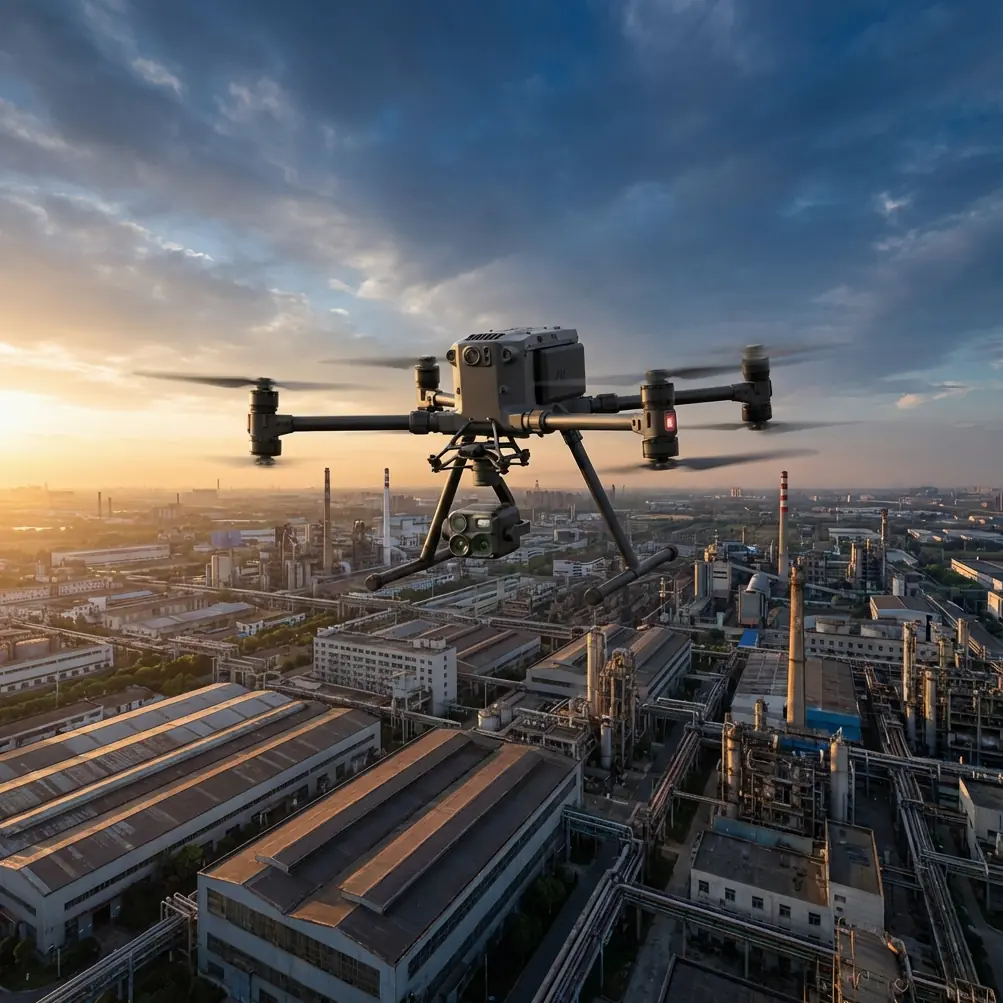
Matrice 4 for Low-Light Wildlife Filming: A Field Method That Protects Detail, Battery Life, and the Shot
META: A practical expert guide to filming wildlife in low light with the Matrice 4, covering thermal signature use, O3 transmission, AES-256 security, hot-swap battery discipline, and field-ready capture workflow.
Low-light wildlife work is where a drone stops being a flying camera and becomes a decision-making tool. That is especially true with the Matrice 4. When the light drops, autofocus behavior changes, contrast falls apart, animal movement becomes less predictable, and every unnecessary hover burns battery you may need later. If you approach it like a normal daylight mission, you usually come home with noisy footage, uneven tracking, and a flight log full of avoidable inefficiency.
The better way is to treat low-light filming as a sequence problem. Find first. Confirm second. Film third. Preserve aircraft energy the entire time.
That workflow matters because dusk and pre-dawn wildlife operations often force you to work at the edge of visual clarity. In those conditions, the Matrice 4’s value is not just image capture. It is the way its broader toolset can help you reduce wasted time in the air. If you can use thermal signature data to locate movement before committing to your visible-light framing pass, you spend less time searching blind over cold ground and dark vegetation. That translates directly into steadier footage and better battery margin.
Start with detection, not composition
Most pilots want to lead with the camera they intend to deliver from. For wildlife in low light, that instinct is backward.
Your first task is detection. The thermal signature of an animal against cooling terrain can give away position, path, and behavior before your visible payload gives you a clean image. Operationally, this is a major advantage because it changes how you use the aircraft. Instead of drifting around trying to discover a subject through low-contrast optics, you can identify likely movement zones quickly, then reposition for the actual cinematic pass.
That saves more than time. It reduces disturbance. Fewer exploratory moves mean less overhead exposure, fewer course corrections, and a better chance that the animal behaves naturally while you film.
The practical takeaway is simple: use thermal as your search layer and visible imaging as your storytelling layer. The Matrice 4 becomes more effective in low light when those two jobs stay separate in your workflow.
Build the mission around transmission reliability
Low-light wildlife sorties often happen in terrain that complicates the link budget. Tree lines, ridges, humidity, and distance can all make video confidence feel thinner than it did in a bright open field at noon. That is where O3 transmission matters in real operational terms.
A strong downlink is not just a convenience when filming wildlife. It affects how cleanly you can judge subject motion, branch interference, and framing adjustments while light is fading by the minute. If your feed drops into hesitation or image breakup at the wrong moment, you are forced into conservative positioning. That usually means wider shots, more hover time, and fewer chances to follow behavior with precision.
With a stable O3 transmission workflow, you can commit to movement with more confidence. You read body orientation faster. You see when an animal pauses or pivots. You make fewer timid corrections. Over the course of a short dawn window, those seconds add up.
There is also a security dimension that many pilots ignore until they work near protected sites, research teams, or sensitive conservation operations. AES-256 matters here because wildlife filming is not always just content creation. In some environments, the location of animals, nesting areas, or anti-poaching patrol routes should not move casually through an unsecured chain. Strong transmission encryption is operational discipline, not a spec-sheet footnote.
My field rule for battery management in the dark
Here is the battery tip I give pilots after enough cold starts and fading-light recoveries: never launch your “hero flight” on the battery that found the subject.
This sounds small, but it changes outcomes.
In wildlife work, your first flight often becomes a search-and-confirm pass. You use it to scan habitat edges, verify where movement is happening, evaluate wind behavior under the canopy line, and establish the safest holding positions. That flight does real work, but it also drains the pack in a way that is easy to underestimate because you are mentally focused on locating the animal.
Once you have the subject, the temptation is to keep rolling and push straight into the cinematic sequence. I have seen pilots do that dozens of times. The result is usually rushed decision-making at the exact point when patience matters most. Battery percentage starts dropping, the light gets better for about five minutes, and suddenly every move is made under pressure.
The smarter method is to land and use the hot-swap batteries the way they are meant to be used. Search on one set. Film on a fresh set. If conditions are cold, keep your next batteries insulated and close to body temperature before installation rather than leaving them exposed on a tailgate or damp ground. The aircraft may be ready to fly, but a chilled pack does not deliver with the same confidence under load.
Hot-swap capability is not just about convenience in this scenario. Its real advantage is continuity. You preserve mission tempo without forcing the aircraft to sit idle through a long turnaround, and you start the important flight with better power margin. For low-light wildlife filming, that often means the difference between a composed exit and a stressed return.
If you want to compare field setups or talk through a cold-weather workflow, send a note here: message me directly.
Pre-plan your shot geometry before the light falls away
The single most expensive mistake in low-light wildlife work is improvising the camera path after you are airborne. This is where experience in mapping and photogrammetry surprisingly helps even if your end goal is video, not survey output.
Photogrammetry teaches discipline about geometry, overlap, reference, and repeatability. You learn to think in planned tracks rather than spontaneous wandering. Bring that mindset to wildlife filming and your results improve immediately.
Before takeoff, identify three things:
- your search corridor
- your likely film corridor
- your exit corridor
These should not be vague ideas. They should be geographic lanes tied to terrain features you can recognize in poor light. A water edge, broken tree line, meadow boundary, or slope transition works well. Once you define those lanes, the aircraft spends less time hovering while you make up your mind.
If you are operating in a protected reserve or documenting habitat for research, consider establishing GCP-aligned reference thinking even if you are not laying physical ground control points for the shoot. In practice, that means choosing fixed landmarks and consistent approach vectors so your footage can be correlated later with mapping datasets, patrol records, or habitat-change observations. GCP discipline is useful because it makes your imagery more than beautiful; it makes it usable.
This is one of the most overlooked operational benefits of a platform like the Matrice 4. It can serve both storytelling and structured field documentation when the crew thinks ahead.
Camera discipline matters more than aggressive pursuit
Animals in low light often move in short bursts separated by stillness. Pilots misread this and either over-track or under-commit.
Over-tracking is worse. It creates jerky footage, increases pilot workload, and often pushes the aircraft into noisier or riskier positions. With the Matrice 4, a better pattern is to hold a stable offset and let the animal move through your frame. That approach is less intrusive and gives the sensor a cleaner chance to render detail in weak light.
The right distance depends on species, habitat, and local regulation, but the principle stays the same: make fewer large corrections. Low-light footage rewards restraint. A smooth lateral reveal across a dark treeline often tells the story better than a direct chase.
Thermal can help here again. Once you know where the subject is headed, you stop reacting to every movement and begin positioning for the next likely moment. That makes the visible-light pass look deliberate instead of frantic.
Use low-light time windows for behavior, not just aesthetics
Many people chase dawn and dusk because they want color. Wildlife operators chase those times because behavior changes.
That distinction matters when planning a Matrice 4 sortie. If your only goal is a dramatic sky, you may fly too early or too late for useful subject activity. If your goal is behavior, you will pay more attention to where the animal transitions between cover and open ground, where it pauses to scan, and where thermal separation from the environment is strongest.
Those patterns affect battery planning, route planning, and payload use. A deer stepping out of tree cover into cooling grass presents a different filming opportunity than a boar moving through residual heat trapped under brush. The aircraft is the same. The mission logic changes.
This is another reason to avoid long aimless hovers. The best low-light windows are short. If you waste five minutes searching visually when thermal could have established contact faster, you lose the part of the window when movement is most readable and the light is still workable.
Think about signal security if location sensitivity matters
Not every wildlife mission is just a creative outing. Researchers, land managers, and conservation teams increasingly rely on aerial platforms in places where location data can be sensitive. Nesting sites, migration staging areas, and threatened species habitats should be treated carefully.
In that context, AES-256 is more than an IT bullet point. If your drone operations are part of a documented field program, secure transmission architecture helps protect what you are observing and where you are observing it. For crews working with ecologists or reserve staff, this matters. It is easier to justify drone use when your workflow respects both disturbance thresholds and data handling.
The Matrice 4 fits that more professional operating posture well because it supports a disciplined chain from aircraft to operator rather than a casual consumer-style flight mindset.
A practical low-light wildlife workflow for Matrice 4 crews
If I were briefing a two-person crew before first light, this is the order I would use:
First, define the habitat edge where contact is most likely. Do not wander wide unless the first search fails.
Second, launch on the search battery and use thermal signature cues to confirm presence, movement direction, and likely pauses.
Third, land before the battery becomes a factor in your thinking. Swap immediately. This is where hot-swap batteries keep the mission fluid instead of fragmented.
Fourth, fly the filming pass on the fresh pack using the simplest possible route. Let O3 transmission give you the confidence to maintain framing without creeping closer than necessary.
Fifth, preserve an exit margin. Low light compresses your decision time on return, especially if terrain or vegetation complicates visual judgment.
That sequence is not glamorous. It is repeatable. Repeatable is what gets results in the field.
Why this matters specifically for Matrice 4 users
The Matrice 4 is most useful in low-light wildlife work when pilots stop treating it as a single-purpose camera ship. Its real strength is the integration of search capability, link reliability, secure transmission, and efficient battery turnover into one field workflow.
Two details stand out operationally.
The first is hot-swap battery support. In wildlife filming, it lets you split detection from capture without losing the moment. That is a serious advantage when light and animal behavior both shift quickly.
The second is the combination of thermal signature scouting and O3 transmission stability. Together, they reduce wasted airtime and improve your ability to make calm, precise framing decisions while visibility is deteriorating. Those are not abstract features. They directly affect how much usable footage you bring home.
If you are using the Matrice 4 for low-light wildlife work, the best upgrade is usually not a new accessory. It is a better sequence. Search intelligently. Swap early. Film with intent. Leave with margin.
Ready for your own Matrice 4? Contact our team for expert consultation.