
Filming Wildlife in Remote Terrain with Matrice 4: The Pre
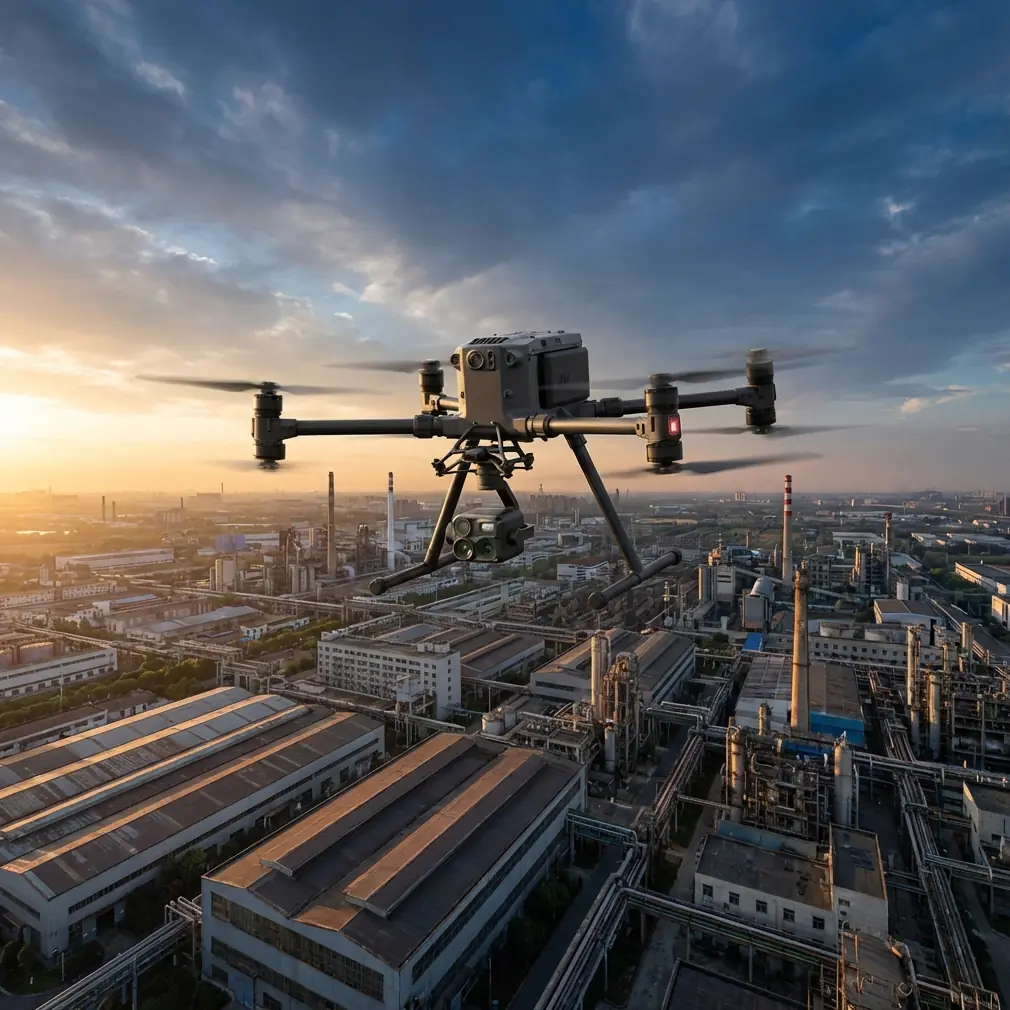
Filming Wildlife in Remote Terrain with Matrice 4: The Pre-Flight Step Most Pilots Skip
META: A field-focused tutorial on using Matrice 4 for remote wildlife filming, with practical advice on pre-flight cleaning, composite surface care, transmission reliability, thermal workflow, and mission safety.
Remote wildlife filming punishes careless drone habits.
Not always in obvious ways, either. A dirty airframe may still boot. A camera window with a faint smear may still produce usable footage. A composite shell with unnoticed surface wear may look cosmetic right up until moisture, dust, or repeated transport stress begin affecting reliability in the field. When you are operating a Matrice 4 far from roads, charging points, and repair benches, those “small” misses stack up fast.
I want to focus on one habit that deserves more respect than it usually gets: pre-flight cleaning as a safety and mission-readiness procedure, not a cosmetic chore.
That sounds minor. It isn’t.
For wildlife crews working in remote areas, the Matrice 4 sits at an interesting intersection of cinema tool, observation platform, and data-capture aircraft. It may be tasked with thermal signature scouting at dawn, daylight tracking over broken terrain, and opportunistic photogrammetry passes around habitat edges later in the same day. In that kind of workflow, you are asking a lot from optics, sensors, antennas, cooling paths, moving parts, and the composite structure that holds everything together. The aircraft has to remain predictable, quiet in behavior, and consistent in link quality. Cleaning is where that reliability begins.
Why cleaning matters more on a composite aircraft
Most operators think of dirt as an optical problem. In reality, it is also a structural and systems problem.
A useful reference point comes from aircraft composite protection practice. One structural design source notes that for advanced composite structures in lightning Zone I, the protective layer must withstand 200 kA of current impact and transfer 300 C of charge. Another detail in the same source is even more relevant to daily UAV operators: metal mesh protection bonded and cured with the structure performs better than weaker surface-protection approaches that tend to burn or degrade at attachment points and require more frequent inspection and repair.
You do not need to be designing full-scale airframes for this to matter. The operational lesson is simple: on composite aircraft, the outer surface is not just a skin. It is part of a carefully managed protective system. If you habitually grind grit across the shell, trap salt residue around seams, or use the wrong solvent on protective exterior layers, you are not just making the drone look tired. You may be accelerating wear on the very surfaces that help the aircraft tolerate environmental stress.
For a Matrice 4 flying in remote wildlife environments, that translates into practical discipline:
- remove abrasive dust before wiping
- avoid aggressive chemicals on the exterior
- inspect bonded surfaces and edges during cleaning
- treat cleaning as a structured inspection, not housekeeping
That last point is the big one. When done properly, cleaning becomes the easiest way to catch early trouble before a launch.
The 6-minute pre-flight cleaning routine I recommend
This is the routine I teach field teams before any remote wildlife deployment.
1. Start with air, not cloth
If the Matrice 4 has been riding in a vehicle or staging on dry ground, assume fine grit is sitting on the shell, landing gear, gimbal area, and cooling inlets.
Do not start rubbing.
Use a blower or clean compressed air at a sensible distance to lift dust out of seams and around sensor housings. This matters because composite surfaces and coated optical windows can pick up micro-scratches from what seems like harmless wiping. Those scratches may not show on the bench, but they can reduce image contrast in low-angle light and make thermal windows harder to keep truly clean.
For wildlife filming, that loss of clarity hurts twice. You lose both aesthetic quality and detection confidence.
2. Clean the optical path in order of mission priority
If your morning task is thermal scouting, clean the thermal-facing surfaces first. If the sortie is mainly cinematic, start with the visible-light optics.
I recommend this order:
- thermal window
- main visible camera glass
- tele optics if fitted in your workflow
- obstacle sensing windows
- auxiliary lights or landing aids
Use lens-safe materials only. No shirt hems. No general-purpose tissue. No rushed circular scrubbing while the crew is already calling for launch.
Remote wildlife footage is often captured in marginal light, haze, or long-range framing. A thin fingerprint can reduce image quality enough to make post-production stabilization, subject isolation, or heat-source interpretation harder than it should be.
3. Check seams, edges, and bonded exterior sections
This is where the structural reference becomes operationally useful.
The aircraft design literature shows that protective layers with weaker attachment to the structural surface demand more frequent inspection and are harder to maintain over time. On a field drone, you are not evaluating lightning-strike certification. You are looking for the smaller cousins of the same problem: lifting edges, impact chips, hairline cracks in finish layers, and dust lines that reveal a seam opening.
Pay close attention to:
- arm roots
- battery bay edges
- antenna housings
- payload mount interfaces
- gimbal protector contact points
- underside surfaces exposed to gravel takeoffs
If you find a mark, ask one question: is this just surface contamination, or is it a sign of material separation or repeated rubbing?
A cleaning session is often when the truth becomes visible.
4. Clear cooling paths and speaker/vent openings
Wildlife work in remote zones often means launching from grassland, river margins, sandy tracks, or volcanic dust. Debris likes to settle where airflow matters most.
A partially blocked vent may not trigger an obvious warning in mild conditions. Then the aircraft sits in sun, runs a long hover for animal observation, encodes high-resolution video, maintains O3 transmission, and suddenly thermal load becomes a real flight-planning issue.
This is where “thermal signature” means two things. You may be using thermal imaging to locate animals, but your aircraft is also managing its own heat signature internally through airflow and component temperature. Keeping vents clear supports stable performance and can help avoid avoidable throttling, fan strain, or shortened component life.
5. Inspect propellers with your fingers, not just your eyes
Run a fingertip gently along each blade edge. Tiny nicks often hide better by sight than by touch.
In wildlife filming, prop condition directly affects more than safety. It influences sound profile and smoothness. A rough blade can add vibration, reduce efficiency, and create a more noticeable acoustic presence over sensitive animals. In remote work where every battery cycle matters, efficiency losses add up quickly.
6. Finish with the transmission and battery contact check
Before power-on, inspect antenna areas and battery contacts for dust, plant fibers, or moisture residue.
If you plan to use long-range O3 transmission in broken terrain, you want every avoidable source of signal inconsistency removed before takeoff. Remote ravines, trees, rock faces, and low-angle aircraft orientation already put enough pressure on the link budget. Dirty or contaminated contact areas are an unnecessary self-inflicted risk.
If your workflow depends on hot-swap batteries to keep pace with changing wildlife movement, this step becomes even more important. Frequent battery changes in windy, dusty locations create many opportunities for contamination. A fast swap is only valuable if it is also a clean one.
Cleaning is also the first step in airworthiness thinking
Another aircraft design reference, this one from a structural loads and durability manual, points to inspection intervals such as one full life in some cases and one-quarter life in others, depending on how detectable the damage is and how the structure is classified. The exact certification framework is for manned aircraft, but the maintenance logic carries over beautifully to serious UAV operations.
If damage is easy to detect during routine checks, you can manage risk earlier and more efficiently.
That is exactly what a disciplined Matrice 4 cleaning routine does. It shortens the interval between opportunities to catch problems. Instead of waiting for a scheduled maintenance day, you are effectively conducting a mini inspection before every flight. For teams operating far from support infrastructure, that mindset is priceless.
I would put it this way: cleaning reduces the chance that your first indication of damage is poor footage, unstable hover behavior, or a mission abort 3 kilometers from base.
Adapting the routine for wildlife missions
Remote wildlife filming has its own priorities, and the Matrice 4 should be prepped accordingly.
Dawn thermal surveys
At first light, thermal contrast can be excellent. It is also when dew, condensation, and cold-soak effects can create lens haze or moisture residue. Inspect the thermal-facing surfaces closely before launch, then recheck after the first short flight if the aircraft moved from a cold case into warmer humid air.
A clean thermal window improves confidence when distinguishing an animal from warmed rock, brush, or residual ground heat.
Long observation or tracking sequences
If you are monitoring animal movement without disturbing behavior, smooth aircraft performance matters. That means clean props, clean sensors, and no debris affecting stabilization or airflow.
This is also where AES-256-secured workflow habits matter from a data-handling perspective. Wildlife teams are often working with sensitive location data for nesting sites or rare species. A secure transmission and storage mindset protects more than footage. It protects the animals from exposure of vulnerable habitats.
Habitat mapping and photogrammetry
Many wildlife teams now combine filming with conservation mapping. If you are collecting imagery for photogrammetry, surface cleanliness around the camera system becomes even more important because repeatable image quality drives cleaner outputs.
A Matrice 4 used for mapping habitat corridors, water access points, or nesting areas benefits from the same survey discipline as a dedicated mapping platform:
- verify clean optics
- keep mission geometry consistent
- use GCPs where appropriate for stronger absolute accuracy
- avoid launching with dust already on the lens that could reduce edge detail across a full mapping set
One dirty lens can quietly degrade an entire data block.
Remote operations: what not to use
I still see pilots make these mistakes:
- household glass cleaner on lens coatings
- strong solvents on exterior composite panels
- paper towels on sensor windows
- wiping mud across the shell before blowing it off
- packing the aircraft away damp after a riverbank launch
All of those choices trade seconds now for problems later.
If your Matrice 4 is part of a serious field kit, carry a dedicated cleaning pouch. Mine usually includes a blower, microfiber cloths in sealed bags, lens-safe solution, cotton swabs for edge areas, nitrile gloves, and a small inspection light. It weighs almost nothing and earns its place constantly.
BVLOS planning starts on the ground
Where local regulations, approvals, and operating frameworks permit BVLOS missions, reliability standards should rise, not loosen. You are increasing distance and reducing the margin for improvisation. That makes pre-flight inspection discipline more valuable than ever.
A clean airframe does not guarantee a clean mission. But neglecting basic cleaning and inspection is one of the fastest ways to undermine one.
For wildlife work, there is also an ethical layer. The goal is usually to observe without influencing behavior. A drone that launches with avoidable vibration, thermal management issues, or degraded sensing is more likely to fly less efficiently and spend longer repositioning over animals. Better preparation supports lower-disturbance operations.
My field rule for Matrice 4 crews
If the aircraft is too dirty to inspect properly, it is too dirty to fly on a remote wildlife mission.
That rule has prevented more wasted sorties than any clever accessory ever has.
The Matrice 4 is capable enough that people sometimes assume it will absorb bad habits. It won’t. High-end aircraft tend to be less forgiving of sloppy fieldcraft because crews ask more from them. Better sensors, longer missions, harder environments, more demanding outputs. All of that raises the cost of basic mistakes.
So yes, clean the aircraft. But do it with intent.
Clear dust before wiping. Check the thermal and visible optics in the order your mission depends on them. Look at seams like an inspector, not an owner. Treat battery swaps as contamination events. Use every pre-flight cleaning cycle as a chance to catch what transport, weather, and the last landing may have introduced.
That is how you keep a remote wildlife filming operation calm, precise, and productive.
If you want help refining a Matrice 4 field workflow for conservation filming, mapping, or thermal survey work, you can message Dr. Lisa Wang’s team here.
Ready for your own Matrice 4? Contact our team for expert consultation.