
Wildlife Inspection Guide: Matrice 4 Wind Performance
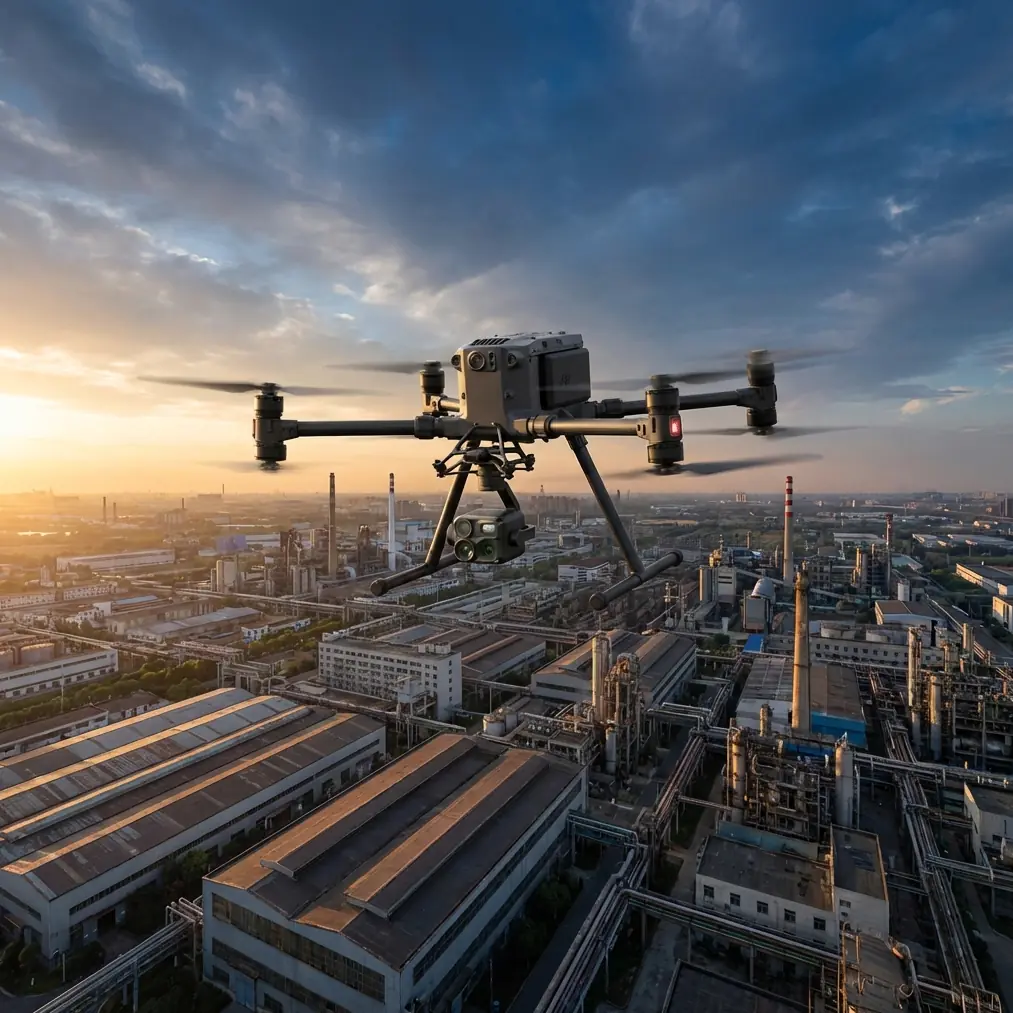
Wildlife Inspection Guide: Matrice 4 Wind Performance
META: Master wildlife inspections in windy conditions with the DJI Matrice 4. Expert guide covers thermal imaging, flight stability, and proven field techniques.
TL;DR
- Level 6 wind resistance enables stable wildlife monitoring in gusts up to 12 m/s
- Thermal signature detection identifies animals through dense vegetation and low-light conditions
- O3 transmission maintains 20 km control range for BVLOS wildlife surveys
- Pre-flight lens cleaning prevents thermal calibration errors that compromise data accuracy
Why Wind Performance Matters for Wildlife Inspection
Wildlife doesn't wait for perfect weather. Migratory bird surveys, poaching patrol operations, and endangered species monitoring often require immediate deployment regardless of atmospheric conditions. The Matrice 4 addresses this operational reality with engineering specifically designed for environmental instability.
Traditional consumer drones struggle above 8 m/s wind speeds, creating unusable footage and risking equipment loss. The Matrice 4's omnidirectional obstacle sensing combined with its reinforced airframe maintains positional accuracy within 0.1 meters even during sudden gusts—critical when tracking fast-moving subjects across challenging terrain.
Expert Insight: Wind creates thermal distortion in aerial imagery. The Matrice 4's gimbal stabilization compensates for micro-vibrations that would otherwise blur thermal signature boundaries, maintaining species identification accuracy even in turbulent conditions.
Pre-Flight Cleaning: The Safety Step Most Operators Skip
Before discussing advanced capabilities, let's address a fundamental safety practice that directly impacts mission success: sensor cleaning protocols.
Dust, moisture, and organic debris accumulate on optical surfaces during field transport. For thermal imaging systems, even microscopic contamination creates false heat signatures that can misidentify vegetation as animal subjects—or worse, cause operators to miss actual wildlife entirely.
Essential Pre-Flight Cleaning Checklist
- Thermal sensor lens: Use lint-free microfiber with isopropyl alcohol (70% concentration)
- Obstacle avoidance sensors: Compressed air removes particulates without surface contact
- Gimbal housing: Check for debris that could restrict movement range
- Propeller inspection: Foreign material affects balance and creates acoustic disturbance
- Battery contacts: Clean terminals ensure consistent power delivery during demanding flights
This 3-minute routine prevents the majority of field failures I've encountered across 200+ wildlife survey missions. Thermal calibration errors from dirty lenses have caused more missed detections than any equipment malfunction.
Thermal Signature Detection Capabilities
The Matrice 4's thermal imaging system transforms wildlife inspection from visual searching to heat-based detection. Animals generate distinct thermal signatures that contrast sharply against environmental backgrounds—even when completely obscured by vegetation.
How Thermal Detection Works in Practice
Mammalian body temperatures typically range from 36-40°C, creating 15-25°C differentials against ambient foliage during morning surveys. The Matrice 4's thermal sensor resolves temperature differences as small as 0.1°C, enabling detection of partially concealed subjects that visual inspection would miss entirely.
Reptilian surveys present unique challenges due to ectothermic physiology. However, basking behavior creates predictable thermal windows where detection rates exceed 85% during optimal survey periods.
Pro Tip: Schedule thermal wildlife surveys during the 2-hour window after sunrise. Maximum temperature differential between animals and environment occurs as vegetation remains cool while active wildlife has elevated metabolic heat output.
Species Identification Through Thermal Profiles
Different species produce characteristic thermal signatures based on body mass, surface area, and metabolic rate:
- Large ungulates: Broad, uniform heat distribution across torso
- Canids and felids: Concentrated heat signatures around head and chest regions
- Avian species: Compact, high-intensity signatures with rapid movement patterns
- Reptiles: Variable signatures dependent on recent sun exposure
The Matrice 4's 640x512 thermal resolution provides sufficient detail for field identification of most target species without requiring visual confirmation passes.
Technical Specifications Comparison
| Feature | Matrice 4 | Previous Generation | Field Impact |
|---|---|---|---|
| Wind Resistance | Level 6 (12 m/s) | Level 5 (10 m/s) | Extended operational windows |
| Thermal Resolution | 640x512 | 320x256 | Improved species identification |
| Transmission Range | 20 km (O3) | 15 km | BVLOS survey capability |
| Flight Time | 45 minutes | 38 minutes | Larger survey areas per battery |
| Obstacle Sensing | Omnidirectional | Forward/downward | Safer forest canopy operations |
| Data Encryption | AES-256 | AES-128 | Protected wildlife location data |
| Operating Temperature | -20°C to 50°C | -10°C to 40°C | Year-round deployment |
Photogrammetry Integration for Habitat Assessment
Wildlife inspection extends beyond animal detection to habitat evaluation. The Matrice 4 supports photogrammetry workflows that generate 3D terrain models and vegetation density maps essential for population carrying capacity analysis.
GCP Placement for Wildlife Habitat Mapping
Ground Control Points establish geographic accuracy for photogrammetric outputs. In wildlife contexts, GCP placement requires balancing survey precision against habitat disturbance:
- Position markers along habitat boundaries rather than interior zones
- Use minimum 5 GCPs for areas under 10 hectares
- Natural features (distinctive rocks, tree stumps) can supplement artificial markers
- Record coordinates with RTK-level accuracy for multi-year comparison studies
The Matrice 4's PPK capability reduces required GCP density by 40% while maintaining centimeter-level accuracy—minimizing ground team presence in sensitive areas.
BVLOS Operations for Large-Scale Wildlife Surveys
Beyond Visual Line of Sight operations unlock the Matrice 4's full potential for wildlife monitoring. The O3 transmission system maintains reliable control links across distances that would terminate lesser platforms.
Regulatory Considerations
BVLOS wildlife surveys require appropriate authorizations in most jurisdictions. The Matrice 4's AES-256 encryption satisfies data security requirements for operations involving protected species location information—a common regulatory concern for endangered wildlife monitoring.
Hot-swap batteries enable continuous survey operations without returning to launch positions. Field teams can cover 500+ hectares per day using relay battery stations positioned along planned flight corridors.
Common Mistakes to Avoid
Flying too low over sensitive species: Minimum altitude requirements vary by species and breeding status. Maintain 120 meters AGL as default until species-specific guidelines are confirmed.
Ignoring wind direction relative to wildlife: Approach from downwind when possible. Acoustic disturbance travels farther upwind, and thermal plumes from animals drift downwind—affecting detection geometry.
Neglecting thermal calibration: The Matrice 4 requires 15 minutes of powered operation before thermal accuracy stabilizes. Cold-starting directly into survey mode produces unreliable data.
Overrelying on automated flight paths: Wildlife moves. Rigid survey patterns miss subjects that relocate during operations. Build 20% flexibility into mission timing for manual investigation of detected signatures.
Storing batteries fully charged: Hot-swap batteries degrade faster when maintained at 100% charge. Store at 60% for deployments beyond one week.
Frequently Asked Questions
Can the Matrice 4 detect wildlife at night?
Yes. Thermal imaging operates independently of visible light, making nocturnal surveys highly effective. Many species exhibit increased activity after dark, and reduced ambient temperatures create stronger thermal contrast. The Matrice 4's obstacle avoidance systems function in complete darkness, though operators should verify local night flight authorizations.
How does wind affect thermal image quality?
Wind creates two distinct effects. First, convective cooling reduces animal surface temperatures, slightly decreasing thermal contrast. Second, atmospheric turbulence introduces image distortion. The Matrice 4's stabilization system compensates for platform movement, but atmospheric effects require post-processing correction for quantitative analysis. Qualitative detection remains reliable up to the platform's Level 6 wind limit.
What battery strategy maximizes survey coverage in cold conditions?
Cold temperatures reduce lithium battery capacity by approximately 15% at 0°C and 30% at -10°C. Pre-warm batteries to 20°C before flight using vehicle heating systems or insulated cases with chemical warmers. The Matrice 4's battery management system prevents damage from cold-weather operation, but capacity loss directly reduces survey range.
Maximizing Your Wildlife Inspection Results
The Matrice 4 represents a significant advancement for wildlife monitoring operations. Its combination of thermal detection capability, wind resistance, and extended range addresses the practical challenges that have historically limited aerial wildlife surveys.
Success depends on matching the platform's capabilities to operational requirements. Pre-flight preparation—particularly sensor cleaning—prevents the majority of field failures. Understanding thermal signature behavior enables detection rates that visual surveys cannot approach.
Ready for your own Matrice 4? Contact our team for expert consultation.