
Matrice 4 Vineyard Scouting: High Altitude Best Practices
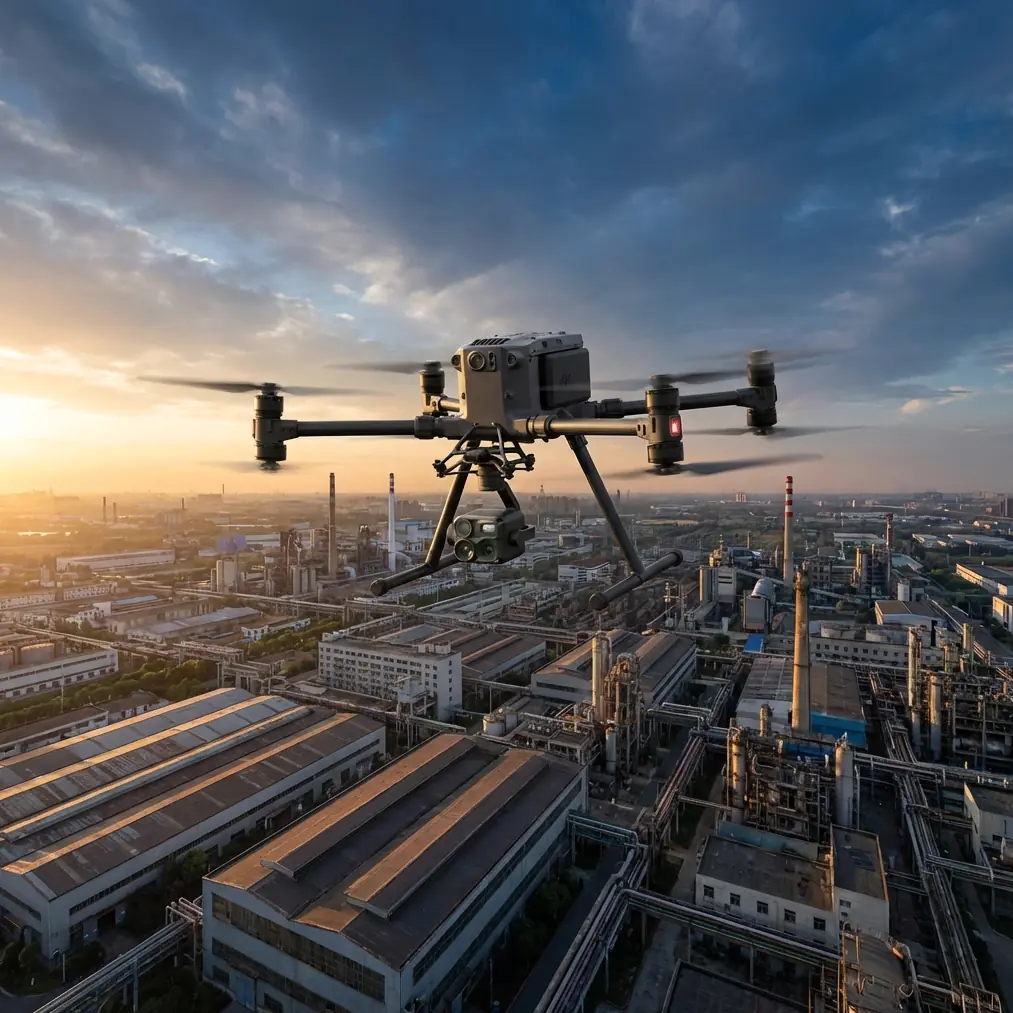
Matrice 4 Vineyard Scouting: High Altitude Best Practices
META: Master high-altitude vineyard scouting with the DJI Matrice 4. Expert guide covers thermal imaging, flight planning, and proven techniques for precision viticulture.
TL;DR
- The Matrice 4 excels at vineyard scouting above 1,500 meters thanks to its wide-angle thermal sensor and 55-minute flight endurance
- O3 transmission maintains stable video feeds across challenging terrain with up to 20km range
- Photogrammetry workflows integrate seamlessly with precision agriculture platforms for actionable crop health data
- AES-256 encryption protects proprietary vineyard mapping data from competitors
High-altitude vineyard scouting presents unique challenges that ground-based methods simply cannot address. The DJI Matrice 4 combines enterprise-grade thermal imaging with exceptional flight stability to transform how viticulturists monitor crop health across mountainous terrain—this guide shows you exactly how to maximize its capabilities.
Why High-Altitude Vineyards Demand Specialized Drone Solutions
Vineyards planted above 1,200 meters elevation face distinct environmental pressures. Thinner air reduces lift efficiency, temperature swings stress vines unpredictably, and rugged topography limits ground access.
Traditional scouting methods require hours of hiking between rows. A single agronomist might cover 2-3 hectares daily on foot. The Matrice 4 surveys that same area in under 15 minutes while capturing data invisible to the human eye.
The Thermal Signature Advantage
Vine stress manifests in thermal patterns before visible symptoms appear. Water-stressed plants exhibit elevated canopy temperatures as stomata close to conserve moisture. Disease pressure creates localized hot spots where cellular damage disrupts transpiration.
The Matrice 4's thermal sensor detects temperature differentials as small as 0.1°C, enabling early intervention that can save entire vineyard blocks.
Expert Insight: During pre-dawn flights, healthy vines release stored heat more slowly than stressed plants. This 3-hour window before sunrise offers the clearest thermal contrast for identifying irrigation problems.
Essential Pre-Flight Planning for Mountain Terrain
Successful high-altitude missions begin long before takeoff. Proper planning prevents costly mistakes and ensures regulatory compliance.
Airspace and Regulatory Considerations
Mountain vineyards often sit near protected wilderness areas. Before flying:
- Verify BVLOS authorization requirements for your jurisdiction
- Check for temporary flight restrictions from firefighting operations
- Confirm property boundaries using cadastral maps
- Document landowner permissions in writing
Weather Window Selection
High-altitude weather changes rapidly. The Matrice 4 handles winds up to 12 m/s, but optimal data collection requires calmer conditions.
Target these parameters for vineyard thermal surveys:
- Wind speed: Below 5 m/s
- Cloud cover: Overcast preferred for thermal work
- Time: Pre-dawn or 2 hours post-sunset
- Humidity: Below 80% to prevent lens condensation
GCP Placement Strategy
Ground Control Points dramatically improve photogrammetry accuracy. For vineyard mapping, place GCPs at:
- Row intersections every 50-75 meters
- Elevation changes exceeding 3 meters
- All four corners of the survey area
- Near permanent structures for repeat surveys
The Matrice 4's RTK module achieves centimeter-level positioning, but GCPs remain essential for absolute accuracy in sloped terrain.
Step-by-Step High-Altitude Vineyard Survey Protocol
This workflow maximizes data quality while preserving battery life in thin mountain air.
Step 1: Site Assessment and Takeoff Zone Selection
Arrive at least 30 minutes before your planned flight window. Walk the takeoff area to identify:
- Level ground with minimum 3-meter clearance in all directions
- Obstacles that could interfere with compass calibration
- Emergency landing zones within line of sight
Step 2: Aircraft Preparation
High altitude reduces air density, affecting motor performance. Complete these checks:
- Verify firmware matches between aircraft and controller
- Calibrate IMU if temperature differs more than 15°C from last flight
- Check propeller condition—mountain debris causes edge damage
- Confirm hot-swap batteries are fully charged and temperature-equalized
Step 3: Mission Programming
The Matrice 4's flight planning software supports terrain-following modes essential for sloped vineyards.
Configure these parameters:
- Altitude: 40-60 meters AGL for thermal, 80-100 meters for RGB photogrammetry
- Overlap: 75% frontal, 65% side for accurate orthomosaics
- Speed: 5-7 m/s maximum for sharp thermal imagery
- Gimbal angle: -90° for mapping, -45° for oblique inspection
Pro Tip: Program a 15-second hover at each waypoint corner. This allows the gimbal to stabilize completely, eliminating motion blur in your thermal captures.
Step 4: Active Flight Monitoring
During the mission, monitor these telemetry values:
- Battery voltage: Watch for accelerated drain indicating motor strain
- O3 transmission signal strength: Terrain can create dead zones
- Wind speed at altitude: Often 2-3x higher than ground level
- Thermal sensor temperature: Auto-calibration triggers above 40°C
Step 5: Wildlife Encounter Protocol
Mountain vineyards share airspace with raptors and other birds. During a recent survey in the Andes foothills, a condor approached within 30 meters of the Matrice 4. The aircraft's obstacle sensors detected the bird's thermal signature and initiated an automatic hover, preventing a collision that could have injured the protected species and destroyed the aircraft.
When wildlife appears:
- Immediately reduce speed to hover
- Assess the animal's flight pattern
- Descend if the animal shows aggressive behavior
- Resume mission only after the area clears
Technical Comparison: Matrice 4 vs. Alternative Platforms
| Feature | Matrice 4 | Enterprise Platform A | Consumer Thermal Drone |
|---|---|---|---|
| Flight Time | 55 minutes | 42 minutes | 31 minutes |
| Thermal Resolution | 640×512 | 640×512 | 160×120 |
| Transmission Range | 20 km (O3) | 15 km | 8 km |
| Max Altitude | 7,000 m | 6,000 m | 4,000 m |
| Wind Resistance | 12 m/s | 10 m/s | 8 m/s |
| Data Encryption | AES-256 | AES-128 | None |
| Hot-Swap Batteries | Yes | No | No |
| RTK Positioning | Built-in | Optional module | Not available |
The Matrice 4's 7,000-meter service ceiling makes it the only viable option for vineyards in extreme elevations like those found in Argentina's Salta region or China's Yunnan province.
Post-Flight Data Processing Workflow
Raw thermal and RGB data require processing to generate actionable intelligence.
Thermal Analysis Pipeline
- Import radiometric TIFF files into specialized software
- Apply atmospheric correction for altitude and humidity
- Generate NDVI-equivalent thermal stress indices
- Overlay results on vineyard block maps
- Export prescription maps for variable-rate irrigation
Photogrammetry Processing
The Matrice 4's 48MP sensor produces dense point clouds suitable for:
- Digital elevation models showing drainage patterns
- Vine count verification for insurance purposes
- Growth rate tracking through repeat surveys
- Canopy volume estimation for yield prediction
Common Mistakes to Avoid
Flying during midday heat: Solar loading creates false thermal signatures. Vine canopies absorb radiation unevenly, masking actual stress patterns. Schedule flights for thermal crossover periods when ambient and surface temperatures equalize.
Ignoring battery temperature: Cold mountain mornings reduce battery capacity by up to 30%. Keep batteries above 20°C using insulated cases with hand warmers until immediately before flight.
Insufficient overlap on slopes: Standard overlap settings assume flat terrain. Increase both frontal and side overlap by 10% when surveying grades exceeding 15 degrees.
Skipping compass calibration: Mineral deposits common in mountain soils cause magnetic interference. Calibrate at each new location, even if the app doesn't prompt you.
Neglecting data backup: The Matrice 4's internal storage holds approximately 2 hours of thermal video. Transfer files to redundant storage before each flight day.
Frequently Asked Questions
How does thin air affect the Matrice 4's flight performance?
Reduced air density at high altitude requires motors to spin faster to generate equivalent lift. The Matrice 4 compensates automatically, but expect 10-15% reduced flight time above 3,000 meters. The aircraft's maximum payload capacity also decreases proportionally.
Can I fly the Matrice 4 in light rain during vineyard surveys?
The Matrice 4 carries an IP54 rating, protecting against dust and water splashes. Light drizzle won't damage the aircraft, but water droplets on the thermal sensor lens severely degrade image quality. Postpone thermal surveys until conditions dry.
What software processes Matrice 4 thermal data for vineyard analysis?
DJI Terra handles basic orthomosaic generation. For advanced thermal analysis, platforms like Pix4Dfields, Agisoft Metashape, and specialized viticulture tools like VineView process radiometric data into actionable stress maps. Most support direct import of the Matrice 4's R-JPEG thermal format.
Dr. Lisa Wang specializes in precision viticulture applications of remote sensing technology. Her research focuses on thermal imaging protocols for high-altitude wine regions across three continents.
Ready for your own Matrice 4? Contact our team for expert consultation.