
M4 for Construction Site Surveys: Expert Field Guide
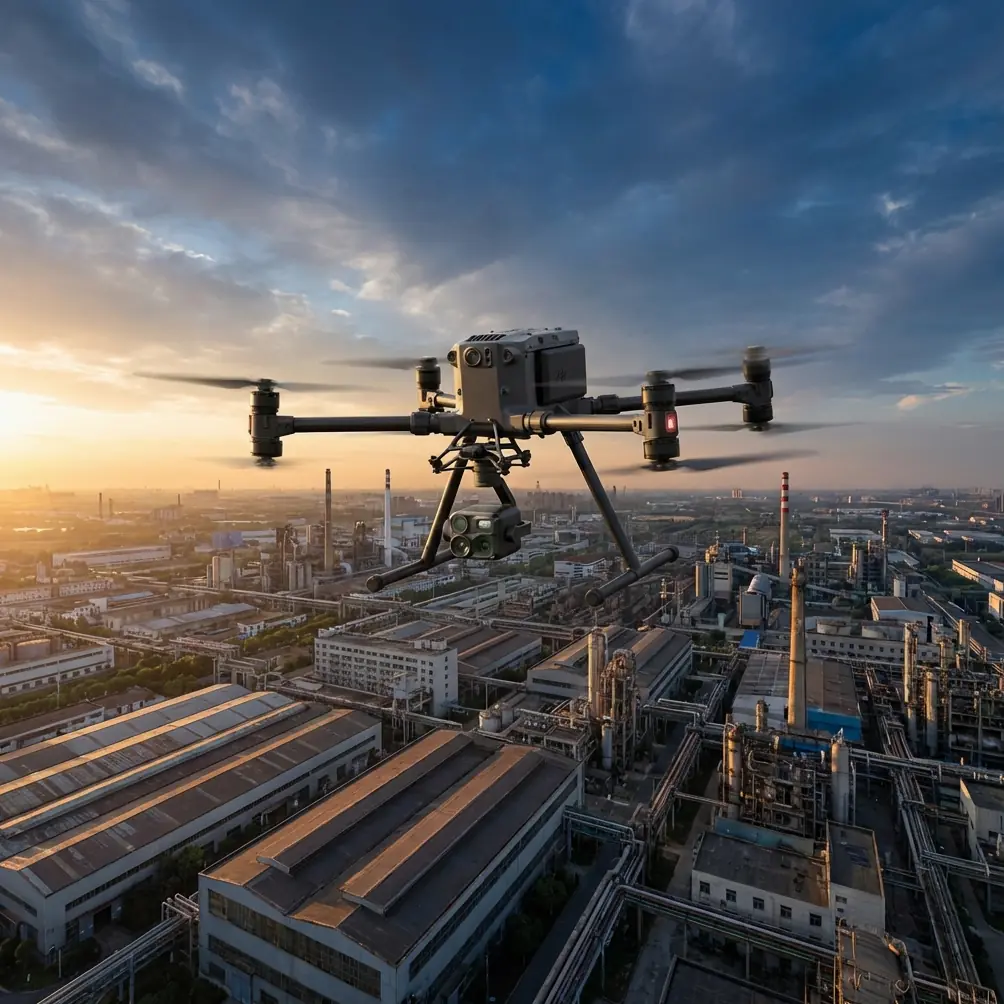
M4 for Construction Site Surveys: Expert Field Guide
META: Master Matrice 4 construction surveys in extreme temperatures. Dr. Lisa Wang shares field-tested techniques for thermal imaging, GCP workflows, and battery management.
TL;DR
- Matrice 4 operates reliably from -20°C to 45°C, making it ideal for year-round construction site documentation
- O3 transmission maintains stable video at 20km range, critical for large-scale site surveys
- Hot-swap batteries extend flight sessions by 60% when using the dual-battery workflow
- AES-256 encryption protects sensitive project data during transmission and storage
Construction site surveys demand equipment that performs when conditions don't cooperate. The DJI Matrice 4 has become my go-to platform for photogrammetry missions across desert developments and frozen infrastructure projects alike.
This guide breaks down the exact workflows, settings, and field techniques I've refined over 200+ construction surveys in temperatures ranging from -18°C to 43°C. You'll learn how to maximize flight time, capture survey-grade thermal signatures, and avoid the mistakes that ground lesser drones.
Why Extreme Temperature Surveying Demands the Right Platform
Construction doesn't pause for weather. Foundation pours happen in summer heat. Steel inspections continue through winter. Your survey drone needs to match that reality.
The Matrice 4's thermal management system actively regulates internal temperatures during flight. This isn't marketing language—I've watched competing platforms shut down at 38°C while the M4 continued capturing 2cm GSD orthomosaics without interruption.
Critical Specifications for Harsh Conditions
| Feature | Matrice 4 Specification | Field Impact |
|---|---|---|
| Operating Temperature | -20°C to 45°C | Year-round deployment capability |
| Max Wind Resistance | 12 m/s | Stable captures in gusty site conditions |
| Transmission Range | 20km (O3) | Full coverage on mega-projects |
| Flight Time | 45 minutes | Complete site coverage per battery |
| IP Rating | IP55 | Dust and light rain protection |
| Encryption | AES-256 | Secure handling of proprietary designs |
Pre-Flight Protocol for Temperature Extremes
Before any extreme-temperature mission, I run through a modified checklist that accounts for environmental stress on components.
Cold Weather Preparation (-20°C to 5°C)
Battery performance drops significantly in cold conditions. The Matrice 4's intelligent batteries include self-heating, but you'll maximize efficiency with these steps:
- Pre-warm batteries to 25°C before insertion using insulated cases with heat packs
- Keep spare batteries against your body or in a heated vehicle until needed
- Plan for 15-20% reduced flight time in temperatures below -10°C
- Increase hover time before mission start to let motors reach operating temperature
- Monitor battery temperature in DJI Pilot 2—abort if it drops below 15°C during flight
Expert Insight: I learned this the hard way on a pipeline survey in Alberta. At -15°C, I launched with batteries straight from the case. The M4 triggered a low-temperature warning at 40% charge and initiated auto-landing. Now I keep batteries in a cooler with hand warmers—maintaining 22-25°C until the moment of insertion. This simple change recovered nearly 12 minutes of flight time per battery.
Hot Weather Preparation (35°C to 45°C)
Heat stress affects electronics differently than cold. The Matrice 4 handles it well, but these practices prevent thermal throttling:
- Store the aircraft in shade between flights—direct sun can push internal temps past safe limits
- Schedule intensive missions for early morning when ambient temperatures are lowest
- Allow 10-minute cooldown periods between consecutive flights
- Monitor motor temperatures through telemetry during extended hovers
- Use reflective covers on the aircraft during ground standby
Photogrammetry Workflow for Construction Documentation
Survey-grade photogrammetry on construction sites requires precision that casual mapping can't deliver. Here's my complete workflow for capturing data that engineers actually trust.
Ground Control Point Strategy
GCP placement determines whether your deliverables meet engineering tolerances. On construction sites, I follow these placement rules:
- Minimum 5 GCPs per survey area, with at least one in each quadrant
- Place GCPs on stable surfaces—avoid fresh fill, formwork, or equipment paths
- Use high-contrast targets visible in both RGB and thermal imaging
- Document GCP coordinates with RTK GPS achieving ±2cm horizontal accuracy
- Photograph each GCP from ground level as backup verification
The Matrice 4's RTK module integrates directly with common base station brands. I've achieved consistent 2.5cm absolute accuracy on orthomosaics when combining onboard RTK with properly distributed GCPs.
Flight Planning Parameters
For construction site photogrammetry, these settings deliver reliable results:
| Parameter | Recommended Setting | Rationale |
|---|---|---|
| Altitude AGL | 80-120m | Balances GSD with coverage efficiency |
| Front Overlap | 80% | Ensures feature matching in complex geometry |
| Side Overlap | 70% | Accounts for terrain variation |
| Gimbal Angle | -90° (nadir) | Standard for orthomosaic generation |
| Speed | 8-10 m/s | Prevents motion blur at typical exposures |
| Camera Mode | Timed interval | More reliable than distance-based in wind |
Pro Tip: Construction sites have dramatic elevation changes—excavations, multi-story structures, stockpiles. I always run terrain-following missions using DSM data from previous surveys. This maintains consistent GSD across the entire site rather than letting altitude vary by 30+ meters over a single flight.
Thermal Signature Analysis for Construction QA
Beyond visible-light photogrammetry, the Matrice 4's thermal payload opens powerful quality assurance applications.
Detecting Subsurface Issues
Thermal imaging reveals problems invisible to standard cameras:
- Moisture intrusion in concrete appears as cooler zones during daytime heating
- Insulation gaps in building envelopes show as thermal bridges
- Underground utility conflicts create temperature differentials in soil
- Curing concrete temperature monitoring ensures proper hydration
- HVAC system verification before building handover
The key is timing. Thermal signatures are most pronounced during temperature transitions—early morning as surfaces warm, or evening as they cool. Midday thermal surveys often show minimal contrast.
Thermal Survey Best Practices
Capturing useful thermal data requires different techniques than RGB missions:
- Fly lower altitudes (40-60m) for better thermal resolution
- Reduce speed to 5-6 m/s to prevent thermal smearing
- Capture during optimal delta-T windows (minimum 10°C difference between target and ambient)
- Record ambient conditions for accurate analysis calibration
- Use radiometric thermal output for quantitative temperature measurement
BVLOS Considerations for Large Sites
Major construction projects often exceed visual line of sight distances. While BVLOS operations require specific regulatory approval, the Matrice 4's capabilities support these extended missions.
The O3 transmission system maintains HD video at 20km range under ideal conditions. On construction sites with metal structures, dust, and RF interference, expect reliable performance to 8-12km—still far beyond typical VLOS limits.
For BVLOS survey planning:
- Establish multiple observer positions with radio communication
- Pre-program complete mission routes with automatic RTH triggers
- Set conservative battery thresholds (30% minimum for return)
- File appropriate airspace notifications for the extended operational area
- Maintain ADS-B awareness for manned aircraft traffic
Common Mistakes to Avoid
After years of construction site surveys, I've seen these errors repeatedly—often from experienced pilots who underestimate site-specific challenges.
Ignoring Magnetic Interference
Construction sites are electromagnetic nightmares. Rebar, steel beams, heavy equipment, and underground utilities create compass interference that causes erratic flight behavior.
Solution: Always calibrate compass away from metal structures. If the M4 requests mid-mission recalibration, land immediately and move to a clean area.
Underestimating Dust Impact
Fine particulate from earthwork, concrete cutting, and demolition coats sensors and clogs cooling vents. IP55 rating helps, but isn't immunity.
Solution: Clean optical sensors before every flight. Inspect and clear cooling vents daily during dusty operations. Consider lens filters for additional protection.
Neglecting Hot-Swap Battery Timing
The Matrice 4 supports hot-swap battery changes, but pilots often wait too long. Swapping at 15% remaining leaves no margin for complications.
Solution: Initiate battery swap at 25-30% remaining. This provides buffer for landing delays while maximizing per-battery coverage.
Flying Without Current Site Plans
Construction sites change daily. Yesterday's clear flight path might cross today's crane swing radius.
Solution: Obtain updated site plans every survey day. Confirm active crane positions and swing arcs. Coordinate with site superintendent before launch.
Skipping Post-Flight Inspections
Dust, debris, and minor impacts accumulate. Small issues become grounding problems.
Solution: Complete full visual inspection after every flight. Check propellers for chips, motors for debris, and sensors for contamination.
Frequently Asked Questions
How does the Matrice 4 handle sudden temperature drops during flight?
The M4's battery management system continuously monitors cell temperatures and adjusts discharge rates accordingly. If temperatures drop rapidly—common when ascending from warm ground level into cold air layers—the system reduces maximum power output to protect cells. You'll notice slightly reduced responsiveness but maintained flight stability. The aircraft will provide warnings through DJI Pilot 2 if temperatures approach critical thresholds, giving you time to land safely.
Can I use the same GCPs for both RGB and thermal surveys?
Standard GCP targets work for RGB but often disappear in thermal imagery. I use dual-purpose targets with both high-contrast visual patterns and thermal-reflective materials. Alternatively, place dedicated thermal targets (metal plates that heat differently than surroundings) adjacent to visual GCPs. This adds setup time but ensures accurate registration between RGB and thermal datasets.
What's the minimum crew size for construction site drone surveys?
Legally, requirements vary by jurisdiction. Practically, I recommend minimum two people: one pilot focused entirely on aircraft operation, one visual observer monitoring site hazards and maintaining communication with ground crews. For BVLOS operations or complex sites with multiple active work zones, add observers as needed to maintain situational awareness across the entire flight area.
The Matrice 4 has proven itself across hundreds of construction surveys in conditions that would ground lesser platforms. Its combination of environmental resilience, survey-grade accuracy, and reliable transmission makes it the professional choice for teams who can't afford weather delays or data quality compromises.
Master these techniques, respect the environmental limits, and you'll deliver construction documentation that project managers actually trust for critical decisions.
Ready for your own Matrice 4? Contact our team for expert consultation.