
Matrice 4 for Windy Power Line Surveys: What Actually
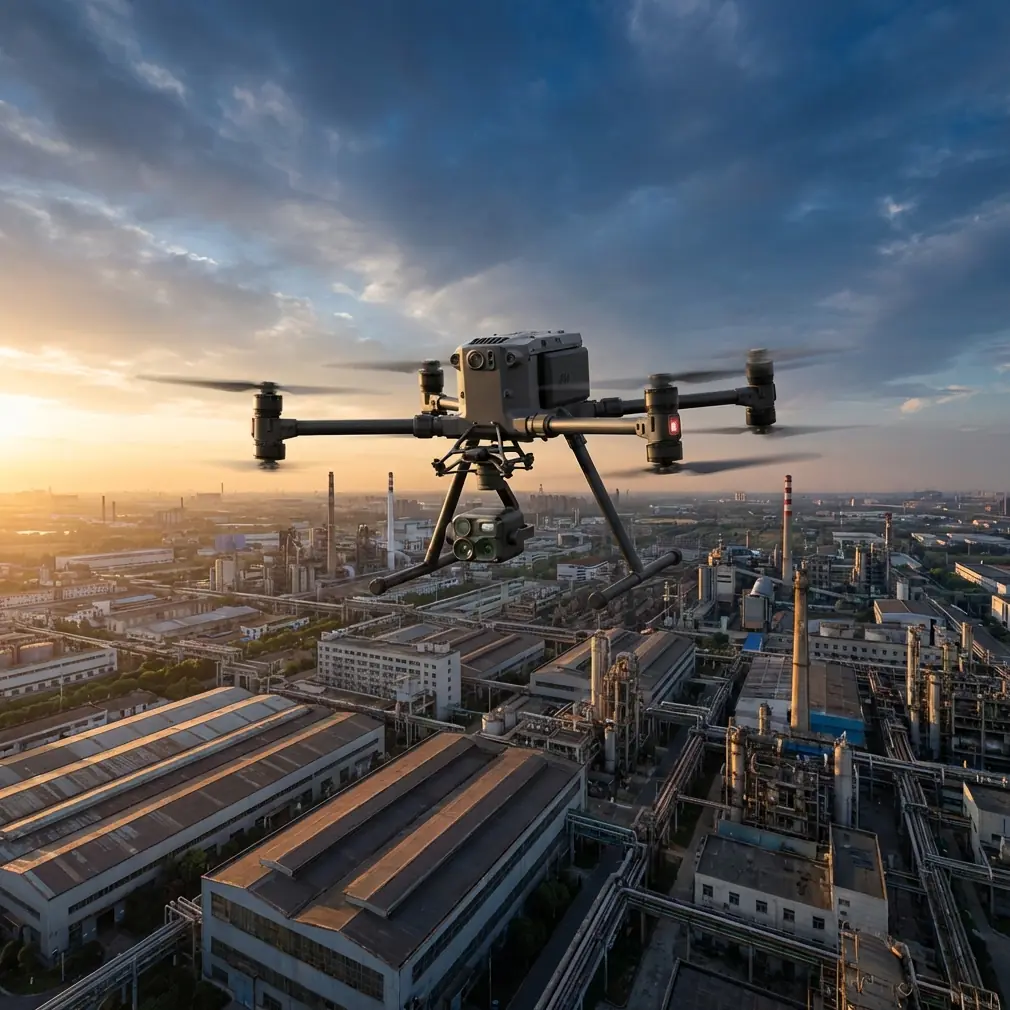
Matrice 4 for Windy Power Line Surveys: What Actually Matters in the Field
META: A technical review of Matrice 4 for windy power line inspections, with practical insight on transmission stability, thermal imaging, photogrammetry workflow, battery strategy, and why new BVLOS momentum in Japan matters.
Surveying power lines in wind is where spec sheets stop being interesting and aircraft behavior starts deciding whether a mission is efficient, repeatable, and safe.
That is the right lens for evaluating the Matrice 4.
A lot of drone content treats utility inspection platforms as if every mission were flown in calm air over a clean test site. Real power line work is less forgiving. You are often dealing with exposed terrain, channeling winds, changing light, reflective hardware, conductor sag, electromagnetic interference concerns, and the need to collect two different kinds of data at once: close visual inspection detail and mapping-grade context. If the aircraft drifts too much, if the transmission link gets jumpy, or if battery swaps disrupt the day’s rhythm, productivity drops fast.
The Matrice 4 stands out because it is not just a camera carrier. It is a survey workflow machine, especially when the assignment involves linear infrastructure in uneven weather.
There is another reason this moment matters. Recent industry movement in Japan points to where professional UAV operations are heading. Dronamics announced a strategic investment from Asia Air Survey Co., Ltd. and the formation of Dronamics Japan Holdings Co., Ltd. That may seem unrelated at first glance to a Matrice 4 field review, but it is a useful signal. Asia Air Survey is not a casual name in geospatial work. When an established Japanese aerial survey company backs a drone operator and a local subsidiary is created, it says something practical about the market: infrastructure inspection, aerial data acquisition, and advanced drone operations are becoming more integrated, more localized, and more serious. For teams using aircraft like the Matrice 4, that matters because the demand is no longer just “capture images.” It is “deliver reliable, defensible infrastructure intelligence under real operating constraints.”
That is exactly the kind of environment where the Matrice 4 earns its place.
Why wind changes everything in power line inspection
Power line surveys are linear missions, but they are rarely simple ones.
Unlike a facade inspection where you can tuck into a relatively stable hover and work close, line patrol often means long offsets, changing angles, and repeated transitions between overview and detail capture. Wind creates three major problems:
Positional instability near narrow assets
Conductors, insulators, clamps, and fittings require precise framing. Small drift becomes missed detail.Inconsistent image geometry for photogrammetry
If the aircraft yaws or translates unpredictably, overlap consistency suffers. That creates extra processing noise and weaker reconstruction.Pilot workload spikes
In gusts, the drone can still be flyable but mentally expensive. Over a full day, that matters more than many buyers admit.
This is where Matrice 4 compares favorably against lighter platforms that may be fine for basic roof surveys or general site overviews but feel busy and unsettled when asked to track utility corridors in moving air. The edge is not just raw power. It is the combination of flight stability, transmission confidence, and sensor utility in one mission package.
O3 transmission is more than a convenience feature
For power line work, transmission quality affects inspection quality directly.
The Matrice 4’s O3 transmission capability is one of those features that can sound routine until you fly a corridor with terrain breaks, reflective structures, and intermittent signal complexity. On a windy day, a strong link matters even more because you are already allocating attention to aircraft movement, camera angle, obstacle spacing, and mission progress. If the live feed starts degrading or latency becomes distracting, the operator’s margin shrinks.
That is why O3 is not just about range on paper. It is about maintaining a dependable visual and telemetry connection while the aircraft is doing something operationally demanding. In power line inspection, that often means transitioning from stand-off observation to closer component review without losing confidence in control response.
Compared with smaller inspection drones that can become uncomfortable at the edges of their link quality envelope, Matrice 4 feels designed for work where signal stability is part of the safety and data chain, not an afterthought.
Thermal signature work in wind: where better platforms separate themselves
Utilities increasingly want more than visible imagery. They want thermal signature data that can help identify hotspots, imbalance indications, connector issues, and abnormal heating patterns before they become expensive failures.
Wind complicates thermal interpretation.
Surface cooling can mask or alter heat expression. Aircraft movement can also make thermal framing less repeatable if stabilization is poor. The practical advantage of a capable platform like Matrice 4 is not that wind stops mattering. It is that the aircraft gives the operator a better chance of collecting usable thermal evidence despite wind. Stable positioning, smooth camera control, and a dependable downlink help the pilot hold the right angle long enough to interpret what is being seen instead of chasing the frame.
For line inspection teams, this matters because thermal missions often happen alongside visible documentation and asset localization. If one platform can support both efficiently, crews spend less time changing tools and more time standardizing outputs.
Photogrammetry along corridors: consistency beats raw speed
Power line projects often blend inspection and mapping. You may need detailed asset imagery for maintenance teams while also building corridor models for vegetation analysis, access planning, or engineering documentation.
That is where photogrammetry discipline matters.
Matrice 4 is especially useful when the mission is not a pure nadir map and not a pure visual inspection, but a hybrid job requiring structured image capture with enough overlap and viewpoint control to support reconstruction. Wind makes that harder because image spacing and angle consistency can drift off plan quickly. A more stable aircraft helps preserve dataset quality across the route.
Ground control points, or GCPs, still matter whenever survey-grade positional confidence is required. A good drone cannot fix a weak control strategy. But the better the aircraft holds course and attitude, the less variability you introduce before processing even begins. In practice, that means cleaner tie points, less frustration in alignment, and fewer awkward gaps around poles, towers, and crossings.
This is also where the broader industry development in Japan becomes relevant again. Asia Air Survey’s involvement in a strategic drone investment is significant because geospatial professionals care about repeatability, data integrity, and operational scale. Those are the same values that make an aircraft like Matrice 4 attractive for infrastructure corridor work. The market is moving toward systems that can produce inspection imagery and survey-supporting datasets in a single operational framework.
AES-256 matters when utility data is sensitive
Drone buyers sometimes treat encryption as an IT checkbox. For power infrastructure operators, that is too casual.
If your flight logs, imagery, thermal captures, and site data include critical infrastructure assets, transmission security matters. AES-256 support is a meaningful operational feature because it helps organizations align field data collection with internal security expectations. This becomes especially relevant for contractors working under utility governance, where data handling requirements are stricter than on general construction jobs.
The point is not abstract cybersecurity language. It is workflow confidence. If a utility asset owner is deciding whether to approve a drone-based survey method, secure data handling is part of the acceptance equation. Matrice 4’s inclusion of robust encryption support helps remove one more objection that can slow deployment.
Hot-swap batteries save more than time
Battery discussion often gets flattened into flight minutes. That misses the field reality.
On a windy power line survey, battery efficiency is already under pressure. Headwinds on outbound legs, repeated hovering for detail capture, and cold or variable conditions can all compress useful flight windows. Hot-swap batteries are valuable because they preserve momentum. The crew can keep the aircraft working with minimal turnaround rather than rebuilding the launch rhythm after every pack change.
That has a real effect on daily output. Fewer interruptions mean better concentration, cleaner mission segmentation, and more consistent data capture standards across multiple spans or structures.
Competitor platforms without equally smooth battery turnover can still complete the work, but the day tends to become more fragmented. Over a utility corridor, small delays compound. A system designed to keep sorties moving is not a luxury feature. It is a productivity lever.
BVLOS momentum is reshaping what utility teams should expect
The reference news item on Dronamics and Japan is not about Matrice 4 directly, but it points toward an operating future utility teams should pay attention to.
Dronamics secured investment from Asia Air Survey Co., Ltd., listed as TSE: 9233, and established Dronamics Japan Holdings Co., Ltd. Those are concrete signs of institutional commitment to drone operations in a market known for precision, regulation, and infrastructure complexity. The operational significance is larger than one company announcement. It suggests a maturing ecosystem around advanced drone missions, including long-range logistics and expanded aerial operations frameworks.
Why does that matter to a Matrice 4 operator surveying windy power lines?
Because BVLOS acceptance and professionalization influence customer expectations even for missions that remain closer-range today. Utilities will increasingly judge drone programs on aviation discipline, data structure, and scalability. They will expect aircraft and crews that can fit into a more formal operational model. Matrice 4 aligns with that shift because it feels built for professional program deployment, not occasional ad hoc flying.
If your team is preparing for larger corridor contracts or more regulated utility environments, this is the right time to standardize on a platform that supports rigorous procedures now and can slot into a more advanced operational ecosystem later.
Where Matrice 4 beats lighter alternatives
The easiest comparison is with smaller prosumer aircraft that offer respectable imaging but start to show their limits when the mission turns into real utility inspection.
Matrice 4 excels in a few ways:
Better composure in wind
Not just survivability. Composure. That means less correction, steadier framing, and lower operator fatigue.Stronger operational communications via O3
This reduces uncertainty during long linear flights and around challenging terrain or structures.More credible multi-role output
Visible inspection, thermal signature work, and photogrammetry can coexist in one mission plan more effectively.Field workflow advantages
Hot-swap batteries and professional mission continuity matter on long asset runs.Security alignment
AES-256 support is a practical advantage when handling infrastructure-sensitive data.
That combination is why Matrice 4 is stronger than many competitors for utility survey teams. Plenty of drones can capture a nice image. Fewer can do it all day in wind while preserving confidence in the data and reducing friction for the crew.
The field method that gets the most from Matrice 4
For windy power line surveying, the best results usually come from treating the mission as three linked passes rather than one improvised flight.
First, use a broader visual pass to establish corridor condition, access constraints, and any obvious anomalies. Second, perform targeted detail capture on priority structures or components, using stable hover behavior to secure inspection-grade imagery and thermal signature evidence where needed. Third, if mapping output is required, fly a structured photogrammetry segment with consistent overlap and a GCP-backed control plan.
This layered method plays to Matrice 4’s strengths. It also creates cleaner deliverables for utility clients, who often want both maintenance-relevant findings and a wider geospatial context.
If your team is refining that workflow or wants a second opinion on setup choices, mission planning, or payload strategy, it can be useful to message a Matrice 4 workflow specialist here.
The bigger takeaway
Matrice 4 makes the most sense when you stop evaluating drones as gadgets and start evaluating them as survey systems.
For windy power line work, that means asking hard questions. Can the platform hold a useful position without fighting the pilot all day? Can the link remain trustworthy when the route gets complicated? Can thermal and visible capture happen without forcing compromises? Can the battery workflow keep crews productive? Can the resulting data fit the expectations of infrastructure owners who care about security and traceability?
On those questions, Matrice 4 is unusually convincing.
And the industry context supports that conclusion. When companies like Dronamics expand in Japan and attract investment from a geospatial specialist such as Asia Air Survey, it reinforces a wider market direction: drone operations are becoming more integrated with professional aerial survey standards. Utility operators are not just buying aircraft anymore. They are building reliable data acquisition systems.
That is why the Matrice 4 deserves serious attention from inspection teams working power lines in wind. It does not merely survive a difficult mission profile. It helps turn that mission into a repeatable process with fewer weak points.
Ready for your own Matrice 4? Contact our team for expert consultation.