
Matrice 4 on the Edge: A Cold-Weather Coastline Tracking
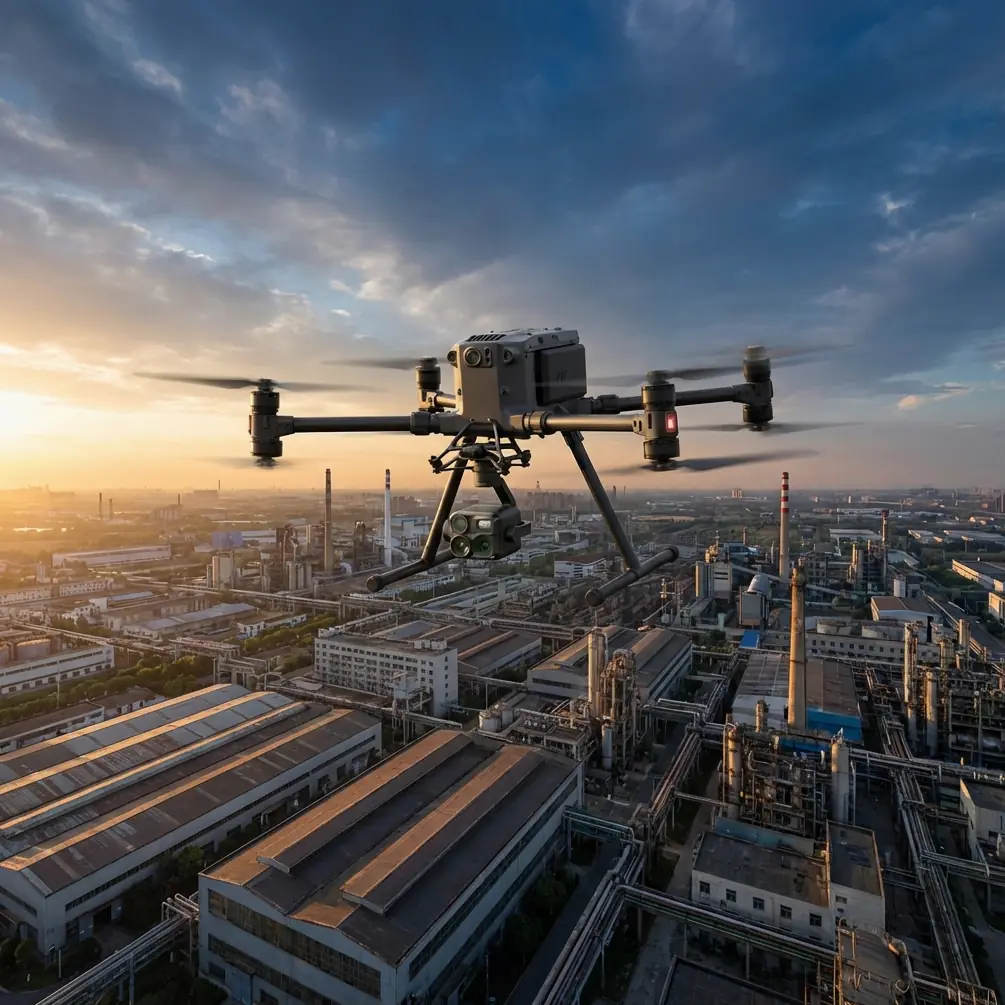
Matrice 4 on the Edge: A Cold-Weather Coastline Tracking Case Study
META: Expert case study on using the Matrice 4 for coastline tracking in extreme temperatures, covering thermal signature work, photogrammetry, O3 transmission, AES-256 security, GCP workflow, and field-ready battery strategy.
Coastline tracking looks simple on paper. Draw a survey corridor, launch the aircraft, collect imagery, go home. In the field, especially in extreme temperatures, it becomes a different discipline entirely. Salt haze cuts visibility. Wind shifts off the water with almost no warning. Battery behavior changes. Surfaces that appear stable in RGB footage can hide erosion, seepage, stranded debris, or wildlife signatures that only show up thermally at the right time of day.
That is where the Matrice 4 earns attention.
This is not a generic product overview. It is a practical look at how a Matrice 4 deployment can be structured for one of the harder recurring missions in civil and environmental operations: tracking a dynamic coastline through cold dawn launches, midday glare, and long linear survey legs where data continuity matters more than headline specs.
The mission profile
The scenario was straightforward but demanding. A coastal monitoring team needed repeatable data over a long, exposed shoreline section during a period of extreme temperature swings. Overnight lows pushed well below freezing, while daytime solar gain on rock, sand, and man-made structures created sharply uneven surface temperatures by late morning. The objective was not just to create attractive maps. The team needed operationally useful outputs:
- identify erosion changes against prior captures
- detect thermal anomalies around drainage outfalls and exposed infrastructure
- build photogrammetric models accurate enough to compare shoreline movement over time
- maintain secure data handling for sensitive environmental and infrastructure records
- preserve flight continuity in conditions that tend to punish batteries and links
That combination matters because coastlines are deceptive survey environments. They mix low-texture surfaces, reflective water, wind exposure, and long distances from the pilot’s position. A platform used here has to be more than stable. It has to keep producing data that survives scrutiny later in the office.
Why Matrice 4 fits this kind of work
The Matrice 4 stands out in this mission type for a reason. It brings together thermal signature capture, mapping workflow compatibility, robust transmission, and enterprise-level security in one field package. For a coastline team, that mix is not a luxury. It changes what can be documented in a single operational window.
The thermal side is especially valuable at the edge of land and water. In extreme temperatures, differences in retained heat become easier to interpret when the operator understands timing. Rock revetments, buried discharge points, wet sand, drift accumulations, and animal presence can all separate thermally from their surroundings. Thermal is not a replacement for visible-spectrum inspection, but it often reveals the first clue that tells the team where to look harder.
On the mapping side, photogrammetry remains the backbone of shoreline change analysis. Repeated flights, flown to a consistent pattern and tied to GCPs, produce comparable surface models over time. That is how a team moves from “this beach looks different” to measured evidence showing how far a berm shifted or where a bank undercut progressed between storms.
Extreme temperatures rewrite the checklist
A Matrice 4 mission on a temperate inland site is one thing. Running a cold-weather coastal survey is another. The battery plan alone needs to be treated as mission-critical.
Hot-swap batteries have obvious field value, but on a coastline they do more than save time. They compress exposure between sorties. The team can rotate aircraft faster, reduce the period where hands and gear are exposed to wind chill, and preserve mission rhythm when short daylight windows matter. In cold conditions, battery management stops being a background task and becomes part of flight safety and data quality. Faster turnaround means fewer gaps in coverage and fewer compromises in planned overlap.
That overlap matters. Photogrammetry over shorelines is unforgiving. Water movement, reflective surfaces, and changing light can all reduce reconstruction quality if the survey is rushed or inconsistent. A hot-swap workflow allows the pilot and payload operator to keep the acquisition pattern disciplined instead of stretching a sortie too far and risking incomplete lines at the end of a pack.
The second major constraint is link reliability. Along the coast, radio conditions can vary with terrain, structures, and orientation relative to open water. O3 transmission becomes operationally significant here because it supports stable control and video feedback over demanding flight paths. That does not remove the need for proper risk assessment, and it certainly does not turn every shoreline job into a casual BVLOS mission. But for authorized operations where distance, terrain masking, or long linear inspection legs are part of the plan, a strong transmission system directly supports safer decision-making. The pilot gets a more dependable live view of surf impacts, cliff faces, and transition zones without having to constantly reposition the team on foot over difficult ground.
The field workflow that delivered usable coastal data
The successful workflow started before launch.
First, the team laid out GCPs on stable, visible positions above the active wash zone. That sounds basic, yet in shoreline work it is one of the easiest places to make a bad decision. GCPs placed too low can shift, disappear under tide influence, or become difficult to identify in imagery as lighting changes. By selecting durable positions and recording them carefully, the team created a solid control framework for later photogrammetric alignment.
Then came timing. The thermal sortie went first, near dawn, when temperature separation between materials was easier to read. That window is often where hidden patterns emerge. Saturated sections of shoreline can hold heat differently from dry areas. Outfalls or seepage points may show up as distinct anomalies. Even man-made features such as concrete transitions, buried pipes, or repairs under surface material can express themselves through thermal contrast if the environmental conditions cooperate.
After thermal collection, the team shifted into mapping mode for photogrammetry. This sequence was intentional. The early flight captured thermal signatures before solar loading flattened the scene. The follow-up mission prioritized overlap, angle consistency, and complete corridor coverage for later orthomosaic and model generation.
The resulting dataset served two different but complementary purposes. Thermal identified “where something unusual may be happening.” Photogrammetry documented “what the surface geometry actually shows, and how it compares over time.” That pairing is where the Matrice 4 becomes more than a camera platform. It becomes a decision tool.
A small accessory made a big difference
One third-party addition proved disproportionately useful: a high-visibility coastal landing pad with weighted edges from a field accessory supplier. It is not glamorous equipment, but in this environment it solved a real problem.
Coastal launches in extreme temperatures often happen on mixed surfaces—grit, damp sand, compacted soil, or rock shelves dusted with salt spray. A stable landing zone reduces the chance of rotor wash kicking debris into the aircraft during takeoff and recovery. The weighted-edge design also held its position better in gusts than lightweight pads that tend to curl or skate across uneven ground.
Why mention something this simple? Because field reliability is cumulative. Teams lose time and introduce avoidable risk when they ignore small friction points. On paper, a landing pad is an accessory. In practice, it can protect the payload, speed up hot-swap cycles, and keep a cold-weather operation moving with less improvisation.
Security is not a side issue on coastal missions
A lot of coastline work overlaps with sensitive infrastructure, protected habitats, private boundaries, or regulated environmental datasets. That is where AES-256 matters.
Encryption is not a line-item for compliance paperwork alone. It has operational consequences. When an aircraft is capturing thermal and visible data around outfalls, shoreline defenses, utility crossings, or restricted facilities, the data itself can carry security implications. AES-256 support gives organizations a stronger foundation for handling that material responsibly throughout acquisition and transfer. For public agencies, infrastructure managers, and environmental contractors, that can be the difference between a platform being approved for routine deployment or being sidelined by internal policy.
In this case, secure handling was part of the planning from the start. The mission was not just about collecting images. It was about collecting them in a way that could stand up to internal governance and external scrutiny.
What the team actually learned from the sortie
The value of the Matrice 4 was not that it made the mission easy. Coastline work in extreme temperatures never becomes easy. Its value was that it reduced uncertainty in the places that matter most.
Thermal passes revealed several areas worth targeted inspection, including one persistent anomaly near a drainage transition and another along a section of armored shoreline where retained heat suggested structural variation from surrounding material. Neither observation was treated as a final diagnosis. That is a critical point. Thermal is a screening layer. It helps prioritize resources.
The photogrammetry outputs then gave the team measurable context. By aligning the model against GCPs, they could compare suspect sections against previous surveys and assess whether visible geometry supported concern about movement, washout, or deformation. The combination created a better triage system than either method would have delivered alone.
The mission also confirmed a practical lesson many experienced operators already respect: cold-weather coastal surveys reward discipline more than speed. Flights that stayed within a conservative battery envelope produced cleaner, more repeatable results than trying to maximize every minute aloft. Strong O3 transmission helped the crew stay confident over longer legs, but it did not replace cautious route design, line-of-sight awareness where required, and a clear abort threshold for wind and visibility shifts.
BVLOS potential, with the right framework
For readers evaluating the Matrice 4 for long coastal corridors, BVLOS is the obvious question. The platform characteristics and transmission capability make that conversation relevant, particularly where shoreline assets extend beyond efficient visual repositioning. But the serious answer is operational, not promotional.
BVLOS only becomes useful when the operator has the regulatory approval, procedures, risk controls, crew structure, and communications plan to support it. In that setting, a platform that can maintain dependable situational awareness and consistent payload performance across distance becomes a strong asset. For coastline monitoring, that can mean fewer launch points, less ground access complexity, and more coherent data capture along a continuous strip of terrain.
That is the real significance. Not abstract range claims. Better mission architecture.
Where Matrice 4 makes the strongest case
After this kind of deployment, the Matrice 4 makes the strongest argument in organizations that need one aircraft to do several serious jobs well:
- thermal anomaly detection during narrow environmental windows
- repeatable photogrammetry tied to GCP-based survey control
- secure collection of potentially sensitive infrastructure or habitat data
- efficient field turnover using hot-swap batteries
- stable long-leg operations supported by O3 transmission
A team dealing with extreme coastal conditions rarely has the luxury of flying separate missions with separate systems every time the weather opens. The ability to combine these workflows in one platform has practical consequences for staffing, scheduling, and data consistency across seasons.
If your operation is evaluating how to configure a similar workflow, this quick chat link is useful for comparing field setups and payload routines: https://wa.me/example
Final assessment
The Matrice 4 is particularly well suited to coastline tracking when conditions are harsh and the deliverable needs to be more than imagery. Its strength is not one isolated feature. It is the way thermal signature work, photogrammetry, GCP-supported accuracy, O3 transmission, AES-256 security, and hot-swap battery workflow reinforce each other in the field.
For extreme-temperature shoreline monitoring, that integration matters more than marketing shorthand. It means the crew can launch at dawn for thermal separation, transition into structured mapping without losing operational tempo, protect sensitive data, and return with outputs that support environmental analysis, infrastructure review, and repeatable change detection.
That is what a serious coastal platform should do. Not just fly the line, but help explain what the line is doing over time.
Ready for your own Matrice 4? Contact our team for expert consultation.