
Matrice 4 for Coastline Tracking: A Field Case Study
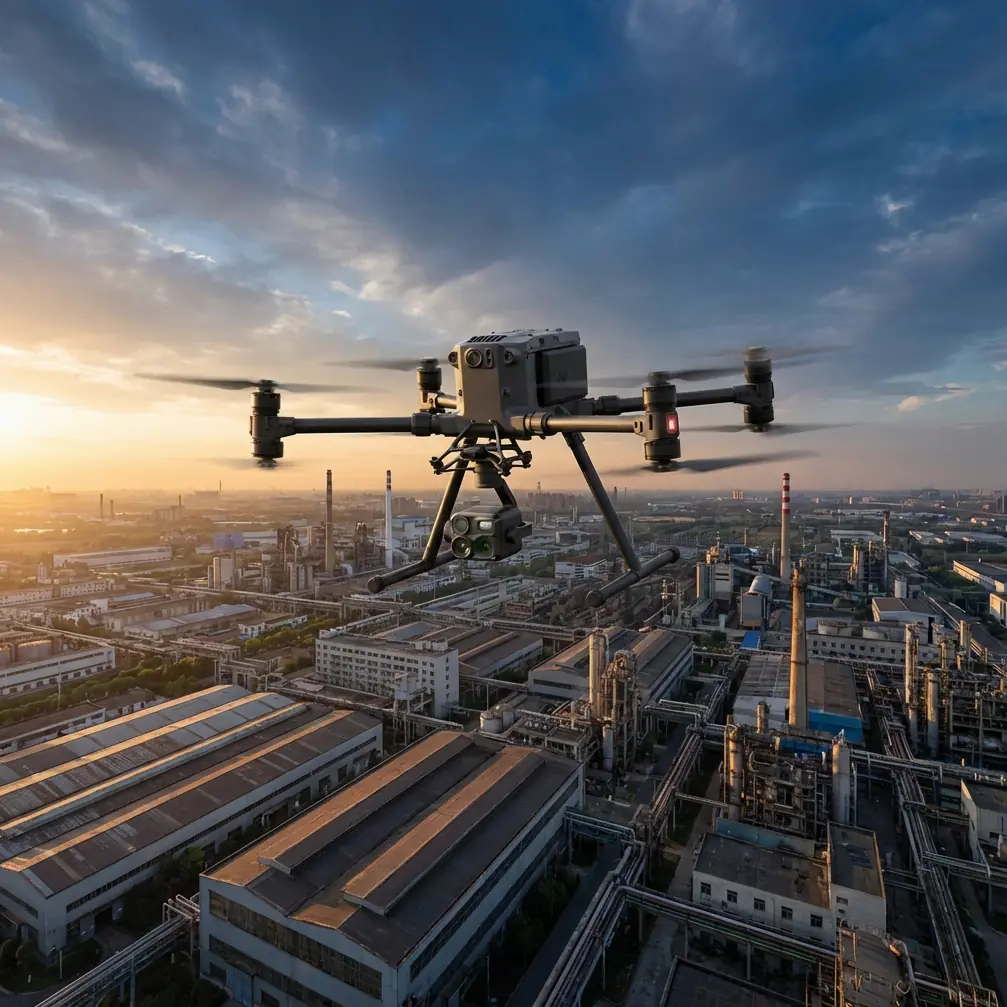
Matrice 4 for Coastline Tracking: A Field Case Study on Wind, Thermal Contrast, and Reliable Data Capture
META: Expert case study on using the Matrice 4 for coastline tracking, covering thermal signature work, photogrammetry, O3 transmission, AES-256 security, hot-swap batteries, GCP workflow, and weather shifts mid-flight.
Coastline tracking sounds straightforward until the sea starts rewriting the plan.
Tide lines move. Foam patterns fake boundaries. Wind direction changes the drone’s ground speed from one leg to the next. Salt haze softens contrast just enough to make mapping harder than it looked during mission planning. If you are documenting erosion, checking revetments, monitoring beach width, or building a repeatable coastal survey archive, the aircraft matters less as a headline and more as a system that keeps producing clean data when conditions stop being polite.
That is the lens I want to use for the Matrice 4.
Rather than treating it as a spec-sheet object, this article frames the platform around a practical civilian scenario: tracking a working coastline corridor where visibility changes mid-flight, wind rises off the water, and the client needs both mapped surface detail and actionable situational awareness. In that environment, features like O3 transmission, AES-256 security, thermal signature analysis, GCP-backed photogrammetry, and hot-swap batteries are not buzzwords. They are the difference between repeating a mission and finishing one.
The mission brief
A coastal asset management team asked for repeatable documentation of a mixed shoreline section: beach, rock armoring, drainage outfalls, and a pedestrian edge exposed to seasonal erosion. The objective was not cinematic footage. It was to build a reliable record that could support future comparison.
Three deliverables mattered:
- A photogrammetric surface model of the corridor
- Visual inspection imagery of vulnerable sections
- Thermal observations around runoff and wet-ground anomalies near the upper beach after dawn
That third requirement is where many teams underestimate the complexity. A thermal signature over a coastline can be useful, but only if you understand timing. Shortly after sunrise, temperature separation between retained moisture, runoff paths, hard structures, and surrounding sand can still be visible. Wait too long, and solar loading flattens the contrast. Fly too early, and sea breeze plus low-angle light can complicate visual navigation and edge definition. The aircraft has to support both speed and discipline.
Why the Matrice 4 fits this type of coastal work
The Matrice 4 is compelling in coastal operations because the mission often sits at the intersection of inspection and mapping. A crew is rarely doing only one thing. They need to gather structured imagery for photogrammetry while also reacting to things they notice in real time: a fresh scarp, seepage near an access path, unusual heat retention on a seawall face, or standing water where drainage should be moving.
That is why transmission stability matters. Over shorelines, radio conditions can feel deceptively open because the airspace appears clear. In reality, reflected signals, changing aircraft orientation, and long linear mission paths all pressure the link. O3 transmission is operationally significant here because coastline tracking is usually not a point inspection over a fixed asset. It is a corridor mission. The drone may move steadily along a shore segment while the pilot maintains visual awareness, monitors framing, and watches for shifting conditions offshore. A robust link reduces interruptions and helps the crew keep imagery quality consistent from one pass to the next.
AES-256 also deserves more respect than it usually gets in marketing copy. Coastal surveys often involve infrastructure, utility outfalls, resort edges, marinas, road embankments, or private shoreline defenses. Even when the work is entirely civilian, the data can be sensitive. Encrypting transmission and protecting project imagery is part of professional handling, especially when a site owner expects secure workflows. Security is not separate from operations. It affects whether stakeholders trust the process enough to approve repeat surveys.
Building the mapping layer: photogrammetry and GCP discipline
The most common failure in coastal mapping is not flying too little. It is assuming the shoreline will behave like inland ground.
It won’t.
Sand changes shape quickly. Wet zones reflect light differently from dry zones. Repetitive texture can weaken tie-point quality in some sections. Edges between water and land are inherently unstable for reconstruction. If your goal is repeatable measurement, the drone alone cannot do all the heavy lifting. You need a grounded workflow.
This is where GCP use becomes central. Ground control points provide known reference locations that stabilize the model and improve confidence in outputs over time. For a coastline project, that matters for a simple reason: clients are usually less interested in a beautiful map than in whether this month’s shoreline position can be meaningfully compared with the previous survey.
Using GCPs on stable surfaces just inland from the most dynamic sections helps anchor the photogrammetric block. You are essentially giving the model trustworthy fixed references while the beach itself remains variable. With the Matrice 4, that pairing of efficient image capture and GCP-backed control makes it far more practical to produce coastal orthomosaics and surface models that can support trend monitoring instead of just visual review.
This is also why flight planning over coastal terrain should account for overlap margins conservatively. Wind over water can alter actual image spacing if ground speed fluctuates on different legs. A platform that remains composed in these conditions helps preserve consistency, but good planning still matters. The drone enables the mission; it does not absolve the crew from geometry.
The mid-flight weather change
The defining moment in this operation came halfway through the corridor.
The forecast had looked serviceable. Light morning wind, broken cloud, and enough visibility for combined thermal and RGB work. About twelve minutes into the second leg, the weather turned in the way coastal weather often does: not dramatically, just enough to punish any crew running a fragile setup.
The offshore breeze strengthened first. Then the cloud cover shifted, changing the thermal scene. Surface contrast that had been clear around one drainage path started to flatten as sun breaks moved across the beach. At the same time, the drone’s outbound leg over an exposed section began showing the practical impact of wind drift. Nothing extreme, but enough that poor transmission or weak station-keeping would have made the mapping run less tidy.
This is where the Matrice 4 felt less like a camera carrier and more like a work platform.
The O3 transmission link remained dependable, which matters more than people admit when conditions change gradually instead of catastrophically. A hard weather event tells you to stop. A moderate shift tempts you to continue sloppily. Stable transmission gave the crew time to make a disciplined decision: finish the current segment, tighten the revised route, and preserve data quality rather than chasing the original plan blindly.
The thermal task also had to be reinterpreted on the spot. Because cloud movement was changing surface heating, we stopped trying to read every cool patch as meaningful. Instead, we focused on persistent thermal signature differences near a known runoff area and a moisture-retaining zone behind rock armoring. That adjustment sounds minor. It is not. Good coastal drone work is often about knowing when the environment is modifying your sensor data faster than your assumptions can keep up.
Hot-swap batteries and why they matter on shore missions
Battery logistics are often discussed as if they are just about endurance. On coastline jobs, they are really about continuity.
A linear shoreline mission can force awkward returns if battery changes are clumsy. Every interruption risks a gap in lighting consistency, tide stage, wind condition, or thermal relevance. Hot-swap batteries matter because they reduce dead time between sorties. On a coast where environmental conditions can shift noticeably in minutes, that operational efficiency protects the dataset.
In this case, the team used the battery change to recalibrate the mission rather than to restart from scratch. The weather shift had already changed priorities. Because turnaround was fast, the next sortie could begin while the scene was still close enough to the previous one to remain analytically useful. That is the understated value of hot-swap capability: it compresses the pause between decisions and action.
On a practical level, it also helps crews stay safer and more methodical in windy staging areas. Less fumbling, less drift in mission focus, less temptation to rush because the environment is moving on without you.
Thermal signature work on coastlines: useful, but only with context
Thermal data in a coastal environment is easy to oversell and easy to misuse.
Done well, it can reveal retained moisture, runoff channels, seepage patterns, uneven drying, and differences in material heating between natural and engineered shoreline features. Done poorly, it simply produces attractive imagery that tells a misleading story.
For this mission, the thermal signature layer added value in two places. First, it helped distinguish a recurring moisture path above the active swash zone that was harder to define in visible imagery alone. Second, it highlighted uneven heat behavior around a hardened shoreline section, prompting a closer visual inspection pass. Neither of those outcomes replaced ground judgment. They directed it.
That is the mature way to use thermal in coastal work. It is a screening and interpretation aid, not a shortcut to certainty.
Weather volatility reinforces that point. Once cloud breaks started moving across the corridor, absolute temperature impressions became less trustworthy than relative patterns that remained consistent across multiple looks. An expert crew reads the environment and the sensor together. The Matrice 4 gives you the sensing capability, but the operational value comes from disciplined interpretation.
Data integrity, corridor work, and remote coordination
Coastline projects often involve more people than the pilot and observer. Engineers, environmental consultants, survey teams, and asset owners may all want access to findings quickly. That is where structured data handling becomes part of the mission itself.
AES-256-secured workflows support that professional standard. If you are surveying a sensitive shoreline asset, a marina edge, or a resort-adjacent erosion zone, secure transmission and careful data management help prevent unnecessary exposure of site details. This is not abstract compliance language. It shapes how confidently organizations can use drone outputs in planning, reporting, and contractor coordination.
And because many coastal jobs are repeated over time, consistency matters as much as one-off quality. A Matrice 4 workflow that combines photogrammetry, GCP control, secure handling, and stable transmission creates something more useful than a single flight product. It creates a repeatable monitoring method.
If you are comparing platforms or planning a coastal deployment and want to talk through mission design, sensor priorities, or workflow setup, you can reach a specialist here: message an experienced Matrice team.
What stood out after the flight
When the data was processed and reviewed, the most valuable result was not a dramatic image. It was confidence.
The orthomosaic held up well enough for shoreline comparison work because the capture had been structured and anchored with GCPs. The inspection imagery gave clear views of the vulnerable hardscape transitions. The thermal layer, although narrowed by changing weather, still revealed meaningful moisture-related anomalies. Most importantly, the mission did not fall apart when conditions changed.
That is the real test of a coastal drone platform.
A lot of aircraft can perform in a static demo. Fewer continue to support sound decisions when the shoreline starts behaving like a shoreline: wind rising, contrast shifting, and operators having to revise priorities without losing the thread of the job.
The Matrice 4 proved strong in exactly that space. O3 transmission supported link confidence during a linear coastal run. AES-256 aligned with secure project handling for sensitive infrastructure and survey data. Hot-swap batteries preserved momentum when environmental timing mattered. And the broader platform logic supported a workflow where photogrammetry and thermal inspection could coexist in one field operation without one undermining the other.
For coastal monitoring teams, that blend is what makes the aircraft worth taking seriously. Not because it promises perfection, but because it keeps the mission coherent when the coast stops cooperating.
If your work involves beach change tracking, drainage observation, shoreline structure checks, or repeatable corridor mapping, the platform’s value is not just in what it can see. It is in how well it helps a crew stay methodical under pressure. On the coast, that is usually the difference between data you can defend and data you simply collected.
Ready for your own Matrice 4? Contact our team for expert consultation.