
Matrice 4 Coastline Tracking in Wind: What Airframe Fatigue
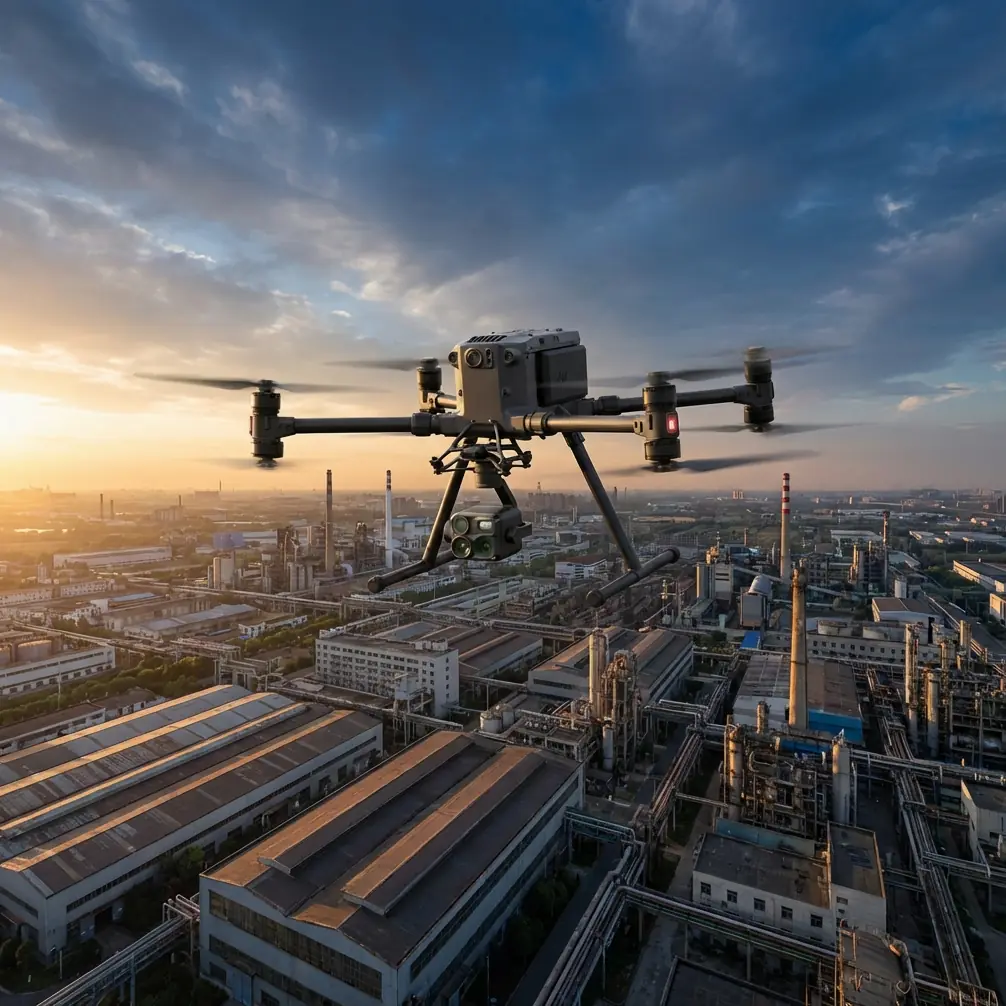
Matrice 4 Coastline Tracking in Wind: What Airframe Fatigue Rules Can Teach Smarter Field Operations
META: A specialist field guide to using Matrice 4 for windy coastline missions, linking structural fatigue principles, battery discipline, transmission stability, and mapping accuracy into practical civilian workflows.
Windy coastlines expose every weakness in a drone program. Not just in the aircraft, but in the team behind it.
A Matrice 4 mission along a shoreline looks simple on paper: follow the edge, document erosion, map assets, check revetments, identify thermal anomalies, return home. In practice, salt air, gust fronts, repetitive maneuvers, glare, and long linear flight paths create a workload that compounds quietly. Pilots often focus on camera settings and route geometry first. Those matter. But the deeper issue is cumulative stress: structural, electrical, and operational.
That is why an unusual reference point from crewed aircraft design is worth bringing into a Matrice 4 conversation.
One of the source materials behind this article discusses the shift in transport-aircraft structural philosophy under FAR 25.571, especially the stronger emphasis introduced by Amendment 25-45. The core idea is not glamorous. It is also not optional. Designers must assume that damage can exist within a fleet during the target service life, commonly 20 years, and inspection programs must be built around detecting that damage before it becomes critical. One benchmark described in the source is strikingly practical: in a fleet of 100 aircraft, 95 should remain crack-free over the design service objective, while no more than 5 may develop detectable cracking.
That standard was written for manned aircraft, not for the Matrice 4. Still, the lesson transfers cleanly to commercial UAV work on coastlines: stop planning as if your platform is always pristine between flights. Start planning as if wear already exists somewhere, even when the aircraft flies normally.
For coastline operators, that mindset changes everything.
The real problem with windy shoreline missions
Wind does not just push the aircraft sideways. It multiplies repetitions.
A coastline tracking job tends to involve long legs, frequent yaw corrections, repeated gimbal stabilization events, stop-and-go observation points, and occasional re-fly segments when surf glare ruins image consistency. If you are collecting photogrammetry data, the drone may fight crosswinds through the whole grid. If you are working with thermal signature analysis, you may hold station longer than expected over a drainage outfall, rock armor section, or leaking rooftop near the shore. Every correction costs energy. Every extra minute in gusts adds thermal load and motor work. Every hard deceleration near a waypoint is a tiny entry in the aircraft’s invisible fatigue ledger.
Pilots usually notice this only when battery margins start shrinking.
That is late.
The better approach is to treat each windy coastline mission as an inspection-generating event, not just a data-collection event. The old airframe guidance matters here because it frames the issue correctly: residual strength and detectability matter more than blind confidence. In the source document, structural expectations became stricter over time because earlier fatigue-only assumptions were no longer considered satisfactory. In UAV terms, that is a warning against relying on “it flew fine last week” as your maintenance philosophy.
What this means for Matrice 4 crews
For Matrice 4 operations, especially near surf zones, breakwaters, estuaries, and coastal infrastructure, the practical translation is simple:
- Assume cumulative stress is real
- Build inspection intervals around mission type, not calendar dates alone
- Distinguish between visible wear and hidden risk
- Use battery and transmission behavior as early warning signals, not just flight telemetry
This is where the second source, though less detailed, adds a useful systems-engineering layer. It references fuel tank inerting system design and capacitance-based fuel quantity measurement, including error sources such as attitude error, installation error, and temperature effects. Again, this is from crewed aircraft design, not from the Matrice 4 battery system directly. But the operational principle is gold: stored-energy measurement is never just about raw quantity. It is affected by orientation, environment, system layout, and measurement error.
Drone operators on the coast should take that seriously.
When a Matrice 4 is fighting gusts at irregular pitch angles over water, state-of-charge confidence can feel better than it really is, because the aircraft is consuming energy in a highly dynamic profile. The screen may show enough margin. The mission may still be drifting toward an inefficient recovery window.
A battery management tip from field experience
Here is the battery rule I trust most for windy shoreline work: never launch the second sortie on a battery that “looks fine” unless you know how the first sortie ended.
That sounds obvious. It rarely gets enforced.
A pack that came back warm after repeated headwind legs and aggressive braking near a sea wall should not be treated the same as a pack that returned after a smooth inland pass. On paper, both may be acceptable. In the field, the first battery has already spent part of its best behavior coping with elevated demand and heat. If your operation depends on hot-swap batteries to keep a tide-window survey moving, label packs by mission stress, not only by charge status.
My preferred system is crude and effective:
- Green: light workload, moderate return temperature
- Amber: heavy wind exposure or repeated hover corrections
- Red: high draw, warm recovery, or any abnormal voltage sag behavior
Amber packs can still work, but not on the longest offshore leg of the day. Red packs get rested, observed, and rotated out of critical sequences.
This is the UAV equivalent of respecting damage detectability instead of waiting for failure. Not because the battery is bad, but because coastline operations are unforgiving of optimistic assumptions.
Why O3 transmission discipline matters more over water
Most pilots think of transmission as a link budget problem. Along coastlines, it is also a behavioral problem.
Over water, visual cues flatten. Distance is misread. Pilots push farther because the scene looks empty and open. That creates a false sense of ease even when wind aloft is different from surface conditions. A stable O3 transmission link helps, but a strong signal should never be mistaken for a comfortable recovery profile. Signal integrity is not energy integrity.
This is especially relevant for teams exploring extended linear corridors or preparing for future BVLOS workflows under local regulatory frameworks. Even where operations remain within visual line of sight, the mission logic often resembles BVLOS thinking: long route, low visual texture, changing microclimate, delayed recognition of return difficulty.
The smarter practice is to make transmission data, wind trend, and battery trend part of the same go/no-go loop. If the O3 link is clean but the aircraft is spending too much time crabbing into a shoreline headwind, shorten the outbound portion before the platform forces the decision for you.
If your team needs a second set of eyes on route planning or battery rotation logic, you can share your scenario directly through this field support chat for coastal UAV workflows.
Mapping accuracy in wind: why “just fly slower” is incomplete advice
For photogrammetry, windy coasts punish lazy overlap assumptions.
The common reaction is to reduce speed and hope the dataset settles down. Sometimes that works. Often it only stretches the mission into worse light, more battery stress, and uneven ground sampling conditions. The better answer is to think like a systems engineer.
Crosswind drift affects image geometry. Aircraft attitude changes affect consistency. If you are using GCPs, they become even more valuable because they help anchor a dataset that may have been collected under variable platform orientation and shoreline reflectance. If you are not using GCPs on a mission where the deliverable will support change detection or infrastructure records, you are placing a lot of confidence in a flight environment that does not deserve blind trust.
The source material on measurement-system design mentions attitude and installation errors in stored-energy measurement contexts. That same family of errors matters in mapping logic: orientation matters, setup matters, and small biases stack. On a coastline, they stack faster because the background is visually deceptive and the aircraft works harder to maintain its plan.
So for Matrice 4 shoreline photogrammetry, I recommend:
- Shorter segments rather than one heroic continuous track
- GCP placement where shoreline shape changes sharply
- Separate thermal and RGB tasks when wind is increasing
- Immediate review of sample frames before committing to the next block
That fourth point saves more missions than most software features.
Thermal work near the coast: use the environment, do not fight it
Thermal signature interpretation near water can be brilliant or misleading.
Water buffers temperature. Wet surfaces cool unevenly. Wind strips contrast from some targets while sharpening others. A Matrice 4 thermal payload can reveal drainage discharge, moisture pathways, roofing defects, or compromised utility features near the coast, but only if the crew understands timing. A windy late-morning scan may produce less decision-grade contrast than an earlier pass with calmer air, even if visibility looks better.
This is another place where the structural reference unexpectedly helps. The philosophy behind damage-tolerant design is that you build your method around finding subtle evidence before it grows into a problem. Thermal inspection is similar. You are not chasing cinematic imagery. You are building an inspection routine that increases the chance of catching weak signals early.
That means repeatability matters more than dramatic single images.
Choose stable flight geometry. Avoid unnecessary hover corrections over the target. Record environmental context. If two similar assets along the same coast show different thermal behavior, note the wind angle and surface condition before assuming the structure itself is the cause.
A maintenance culture Matrice 4 teams should borrow from aviation
The source document’s 20-year design service target and structured inspection logic point to something many drone teams still lack: a fleet mindset.
Even with a small Matrice 4 operation, do not manage each aircraft as an isolated gadget. Manage the fleet as a population that accumulates pattern-based wear.
That means logging:
- Number of windy coastal sorties
- High-correction flights
- Salt-air exposure days
- Hard landings, even minor ones
- Abnormal battery temperature returns
- Gimbal stabilization irregularities
- Repeated arm or landing gear vibration observations
The old transport-aircraft benchmark of 95 out of 100 remaining crack-free during the design objective is not a target you can directly apply to a drone fleet. But it is a powerful reminder that engineering confidence comes from expected variation plus structured inspection, not from assuming uniform perfection.
If one Matrice 4 in your fleet starts showing earlier battery sag in the same route profile, or more aggressive stabilization corrections in crosswinds, do not bury that in anecdote. Treat it as the beginning of a trend investigation.
A better problem-solution workflow for coastline missions
Here is the operational model I prefer for Matrice 4 shoreline work.
Problem: wind creates hidden cumulative stress, reduces battery realism, and erodes data consistency.
Solution: build the mission around detectability, not optimism.
That means:
- Pre-sortie inspection emphasis after windy days, not just before long days
- Battery rotation based on prior stress exposure
- Conservative outbound logic even with strong O3 transmission
- GCP-supported photogrammetry when output quality matters
- Separate flight objectives instead of forcing mapping and thermal into one strained sortie
- Post-flight logging that captures subtle trends before they become reliability events
None of this is flashy. That is exactly why it works.
The crews who do coastline tracking well are rarely the ones with the most aggressive route plans. They are the ones who understand that reliability is built from disciplined small decisions. The source references on structural assessment and measurement-system error were written for larger aircraft, but their message lands perfectly in the drone field: systems fail slowly before they fail suddenly, and the operator’s job is to notice the slow part.
For Matrice 4 teams working in wind, that mindset is the difference between collecting shoreline intelligence and merely surviving the route.
Ready for your own Matrice 4? Contact our team for expert consultation.